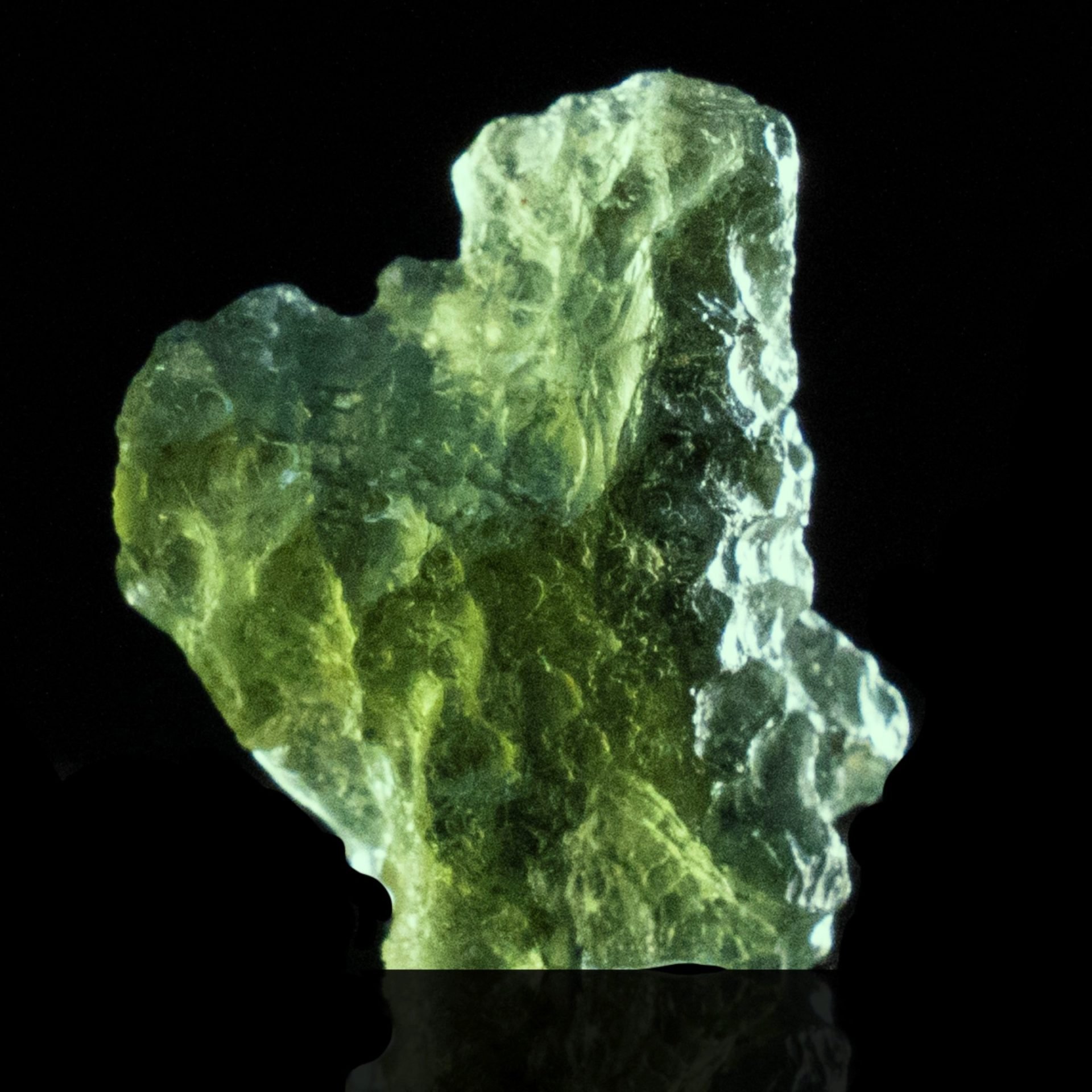
The best meteorites do not trade on rarity alone. In serious collections, value forms the same way it does in fine art and important watches. Scarcity matters, but so do authorship of the record, visual presence, condition, and the confidence a future buyer can place in provenance.
Meteorites occupy a rare category in the collecting world. They are scientifically important natural objects, yet the strongest examples also read as sculpture, historical artifact, and store of value. The Smithsonian, via NASA's meteorite overview, notes that meteorites preserve material from the birth of the Solar System 4.6 billion years ago. That gives the category intellectual weight beyond decorative appeal, but collectors still have to buy selectively.
I advise clients to evaluate a specimen the way a seasoned collector evaluates a painting or a vintage chronograph. Origin, classification, stability, preparation quality, and documentation all affect desirability. So does how the piece lives in a room. A sharp etched iron in a fitted display, such as this Muonionalusta meteorite collector display piece, answers a different collecting brief than a research-grade chondrite slice or a high-end pallasite section.
Experienced buyers do not chase name recognition by itself. They buy the specimens that combine scientific legitimacy with lasting visual and market appeal. In meteorites, as in art and watches, curation usually outperforms volume.
How Meteorites Are Classified
Classification sets the market before aesthetics ever enter the conversation. A meteorite's category tells you what kind of material you are evaluating, how rare comparable examples may be, how the piece is typically prepared, and which buyers are likely to compete for it later. At the top level, meteorites fall into three broad groups: stony meteorites, iron meteorites, and stony-iron meteorites, as outlined by the Meteoritical Society's meteorite overview.
Collectors who understand those groups buy with better judgment. Iron meteorites tend to command attention the way a polished bronze or architectural watch case does. Stony meteorites usually appeal to buyers who care more about formation history, mineralogy, and classification detail. Stony-iron specimens, especially pallasites, sit in the narrow band where scientific significance and display impact meet, which is why they often attract crossover interest from both natural history collectors and design-minded buyers.
The three groups that matter most
Stony meteorites include chondrites and achondrites. They can appear modest at first glance, but many carry the strongest research interest and the clearest planetary record.
Iron meteorites consist largely of iron-nickel metal. They usually offer the strongest sculptural presence, especially when cut, etched, or left in a well-composed natural form.
Stony-iron meteorites include pallasites and mesosiderites. They are rarer in the market and often produce the kind of immediate visual response that drives premium collecting.
Classification also affects pricing discipline. In art, buyers pay more for a work that fits securely within an artist's catalogue raisonné. In watches, they pay for a reference with accepted scholarship and traceable originality. Meteorites work the same way. A named, recognized specimen with a stable classification generally carries more confidence than an attractive but poorly documented object.
That confidence shapes resale, insurance, and long-term collectibility. A buyer comparing meteorites with other tangible assets should treat classification as part of the object's underlying record, not as a label added for convenience.
Even display choices connect back to classification. The right presentation can sharpen the appeal of a specimen without disguising what it is, much like a collector-grade pyramidic pyrite cluster from Peru benefits from a presentation that highlights structure rather than overpowering it.
Collector's rule: If a seller cannot explain both classification and provenance clearly, price the piece as decorative material until the documentation catches up.
1. Muonionalusta Iron Meteorite
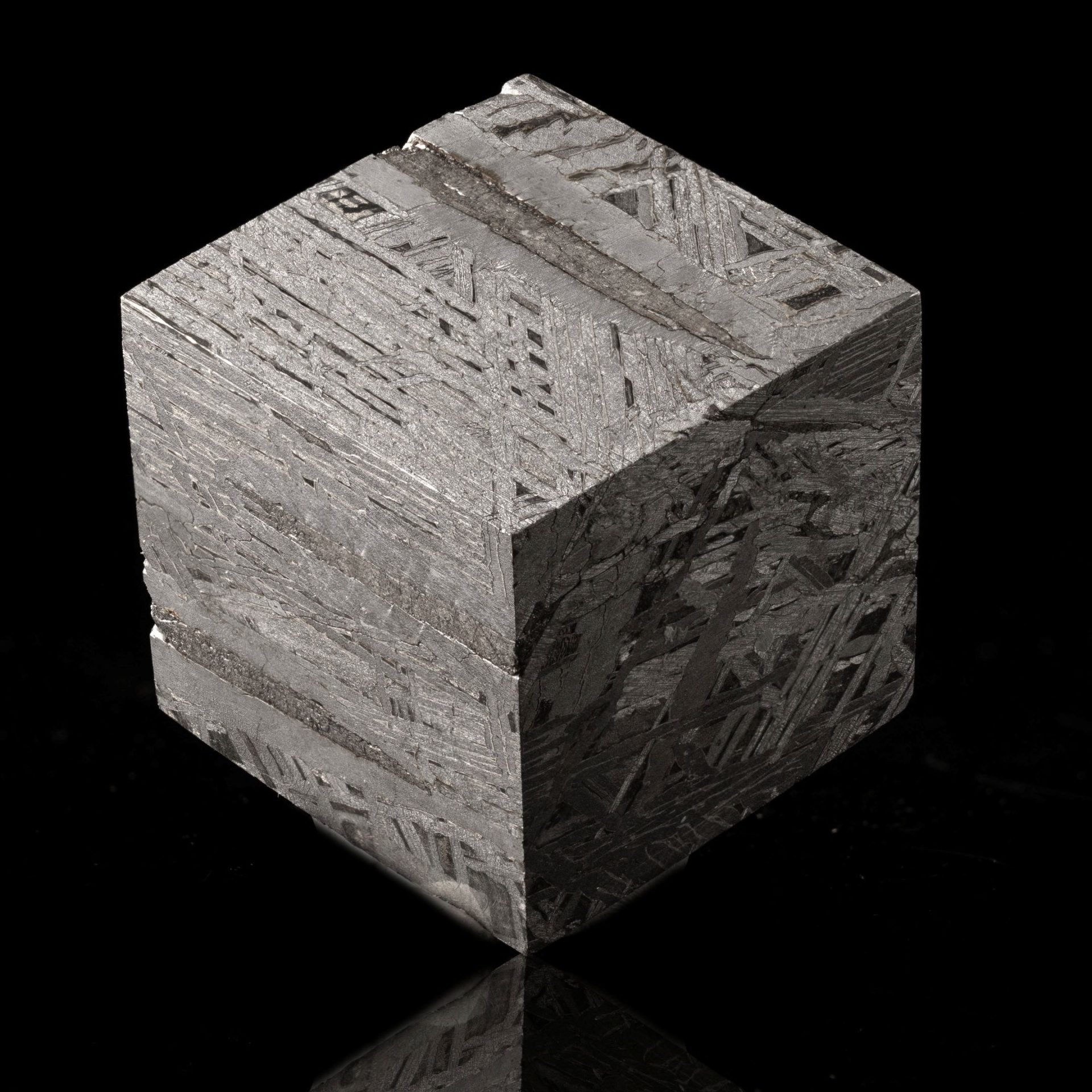
Muonionalusta appeals to collectors who want geometry, not just mass. Its draw is the etched internal structure known as the Widmanstätten pattern, a crystalline intergrowth that gives iron meteorites their architectural beauty when cut and prepared well. In a gallery setting, that pattern does much of the work. It turns a metal slice into something closer to abstract design.
For a collector, the trade-off is straightforward. Raw iron can feel rugged and primal, but an etched slice shows far more of the meteorite's identity. That's why boxed display examples often make sense for first acquisitions, especially when the preparation is clean and the scale feels intentional.
Muonionalusta works best when the preparation is the point. A polished and etched slice belongs in a dry, controlled setting where viewers can see the pattern clearly. If you place it near strong natural light, the etched surface reads almost like metalwork.
What doesn't work is casual placement in a humid environment. Iron meteorites demand care. A serious collector treats them like fine metal objects with scientific value, not like ordinary desk decor.
Buy with documentation: The visual beauty matters, but traceability matters more when resale enters the conversation.
2. Sikhote-Alin Iron Meteorite
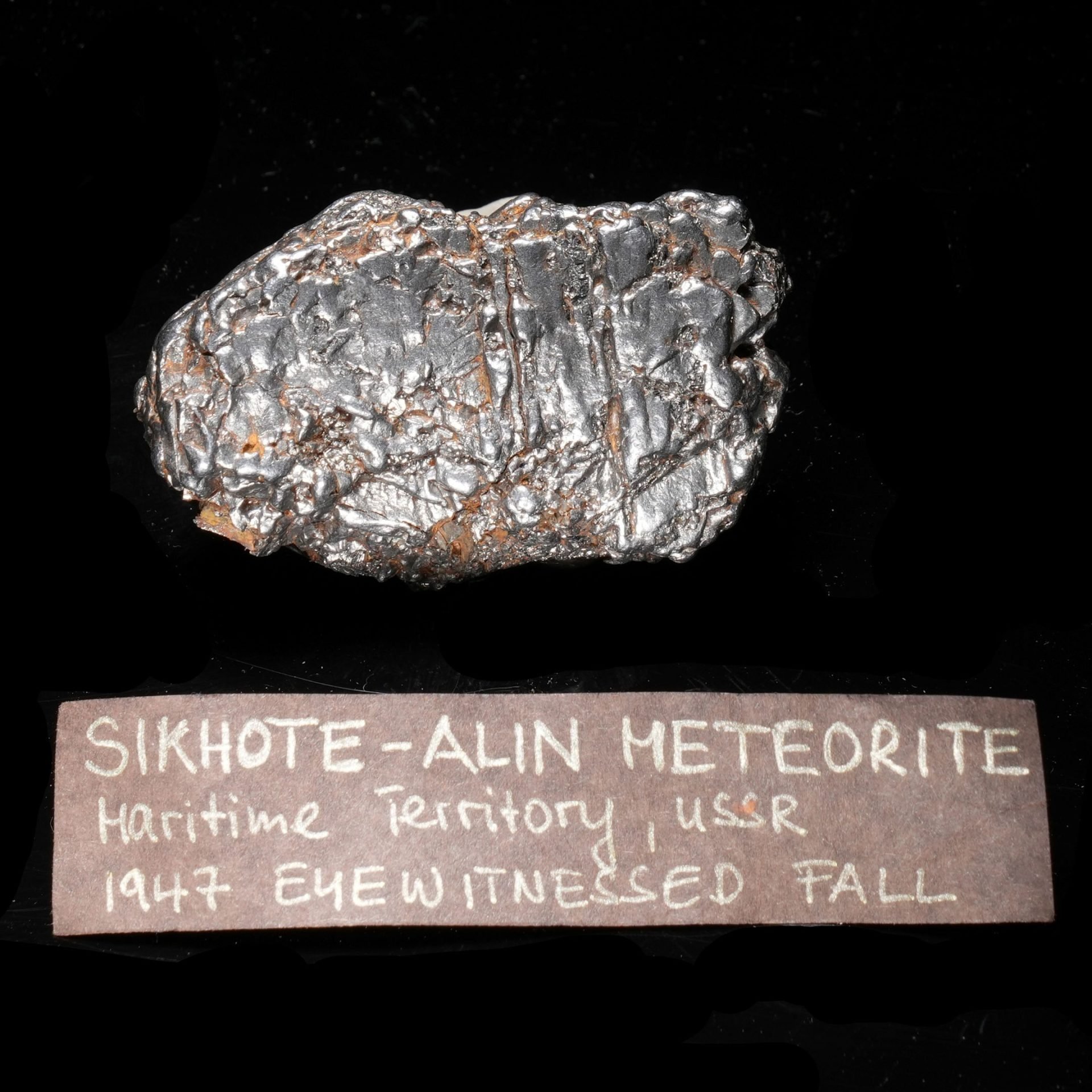
Sikhote-Alin is one of the strongest buys in meteorites for collectors who value impact, provenance, and visual authority in the same object. In asset terms, it behaves less like a polished study specimen and more like a blue-chip bronze or a vintage tool watch with real field history. The event was witnessed, the material is unmistakable, and the best pieces communicate violence and survival at a glance.
That combination matters in the market. Observed falls usually carry more buyer confidence because the historical record is clearer, and Sikhote-Alin benefits directly from that. Provenance supports value, but form often decides which pieces rise above the rest. Broadly speaking, jagged shrapnel appeals to collectors who want evidence of breakup, while complete sculptural individuals reach a wider audience because they read well in a room and in a catalog photograph.
Shrapnel or sculptural form
Shrapnel pieces have serious collecting merit. They show rupture, torsion, and the force of atmospheric entry in a way few meteorites can. For institutions, teaching collections, or buyers building a scientifically grounded group, that rawness has clear value.
Sculptural individuals usually perform better as display objects and often hold stronger crossover appeal. Regmaglypts catch side light well, the silhouette is easier to read from a distance, and the specimen feels resolved rather than fragmentary. That distinction mirrors other collector categories. A fine watch with original dial and honest wear may interest the specialist. A sharper, more visually complete example usually draws the broader buyer. Meteorites work much the same way.
I usually advise clients to buy Sikhote-Alin for surface character, not for polish. It earns its place beside etched irons because it changes the cadence of a collection. One specimen shows crystalline order. The other shows collision and descent. If you collect across natural history categories, the same eye that responds to metallic contour here often responds to gem-grade peridot crystals from Pakistan for similar reasons. Strong form, legible structure, and immediate visual presence.
Buy Sikhote-Alin with the same discipline you would bring to art or watches. Prioritize documented origin, intact surface texture, and a shape that reads clearly from several angles. The best examples feel inevitable once they are on the stand.
3. Pallasite Meteorites
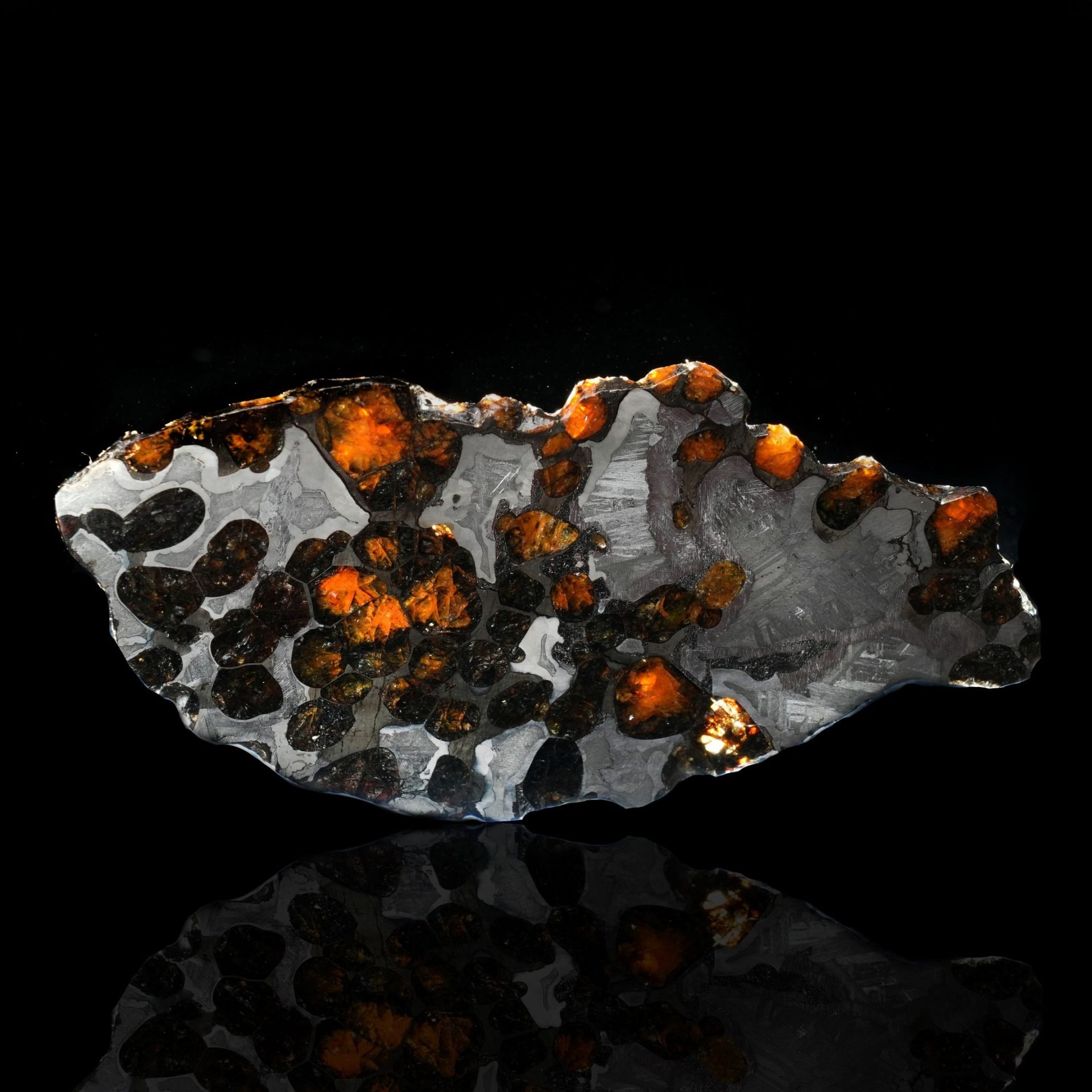
Pallasites sit near the top of the category because they satisfy two markets at once. They are scientifically important stony-irons, and they also function as display objects with the visual pull of fine art. In a collecting field where many pieces need explanation, a strong pallasite is immediately legible.
The appeal starts with structure. Olivine crystals are suspended in iron-nickel metal, and a well-prepared slice shows that relationship clearly. Under transmitted or directional light, the crystals can glow in a way that feels closer to a crafted object than a geologic specimen, except the composition is entirely natural and extraterrestrial.
That crossover appeal has real market consequences. Collectors who buy art respond to composition and balance. Watch buyers respond to rarity, condition, and originality. Pallasite buyers often weigh the same factors, with preparation and stability taking the place of restoration quality or case condition.
Why pallasites command attention
The best pallasites have discipline in the cut and honesty in the material. Clean crystal windows, balanced metal distribution, minimal fracturing, and competent stabilization all improve desirability. A weak example can look brown, cloudy, or structurally tired. A top example has contrast, translucency, and enough visual order to hold attention across the room.
This is also one of the easiest categories to buy badly.
Newer buyers sometimes focus on color alone and miss the trade-off between beauty and long-term stability. Pallasites can present corrosion issues, and poor preparation can leave a slice attractive at first glance but risky over time. In gallery terms, this is the difference between buying an object for immediate effect and buying one that will still warrant serious placement years from now.
Prioritize slices with clear structure: Full or partial slices usually communicate the crystal-metal relationship better than irregular fragments.
Examine condition closely: Stabilization, edge integrity, and signs of oxidation matter as much as visual drama.
Buy for lighting and placement: Pallasites reward thoughtful display. Backlighting can be excellent, but even side lighting can reveal depth if the cut is strong.
For collectors building an asset-minded collection, pallasites often fill the same role a standout contemporary work or rare complicated watch would fill in another category. They introduce rarity, immediate visual distinction, and broader buyer appeal, while still retaining solid scientific credibility. That combination is hard to match.
4. Martian Meteorite
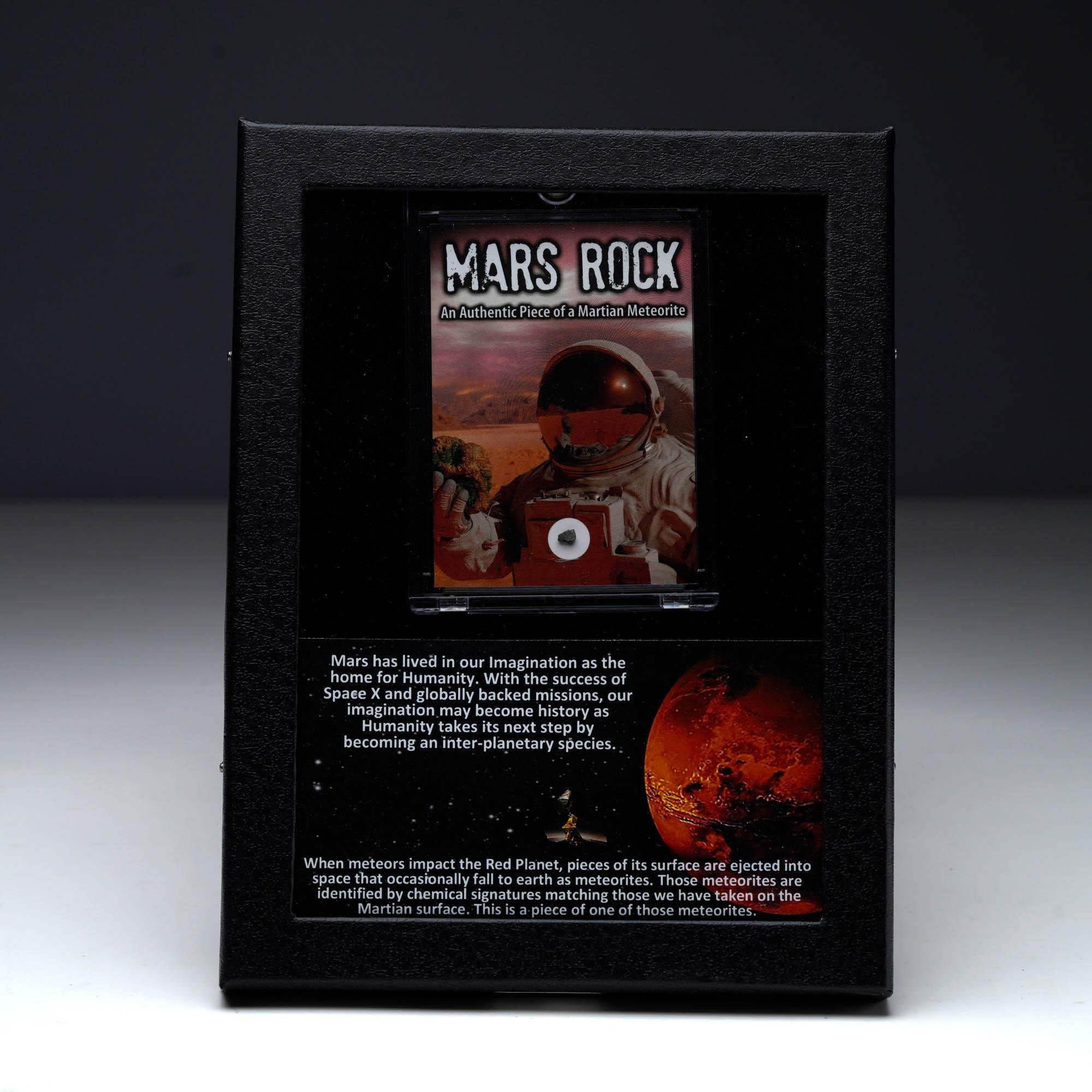
Martian material sits in a different category of desire. It isn't purchased for scale. It's purchased for origin. A small, well-documented Martian specimen can outrank a much larger common meteorite because the emotional and scientific leap is so much greater. You are acquiring a piece of another planet.
The market recognizes that distinction very clearly. Retail pricing for Martian meteorites has been reported around $250 per gram on average, while especially rare Martian types and historic falls can reach $1,000 per gram or more, according to Galactic Stone's meteorite market analysis. Those figures explain why buyers should approach Martian pieces with the same seriousness they'd bring to signed art, high-complication watches, or rare manuscripts.
Why small can still be important
A common mistake is assuming value should look large in the hand. With Martian meteorites, size often matters less than certainty. Classification, pairing information, documentation, and preparation all weigh heavily. A small shergottite fragment with strong provenance can be a stronger acquisition than a larger anonymous “planetary” claim.
That's also why Martian meteorites shouldn't be impulse purchases. They are one of the clearest examples of authenticity driving price. If the paperwork is weak, the value proposition collapses.
The most expensive gram in a meteorite collection often isn't the most visually dramatic one. It's the one with the strongest planetary identity.
For advanced collectors, Martian material often serves as the intellectual centerpiece of a collection. It may not dominate a room physically, but it dominates the conversation. That's exactly what many important collectibles do.
5. Lunar Meteorite
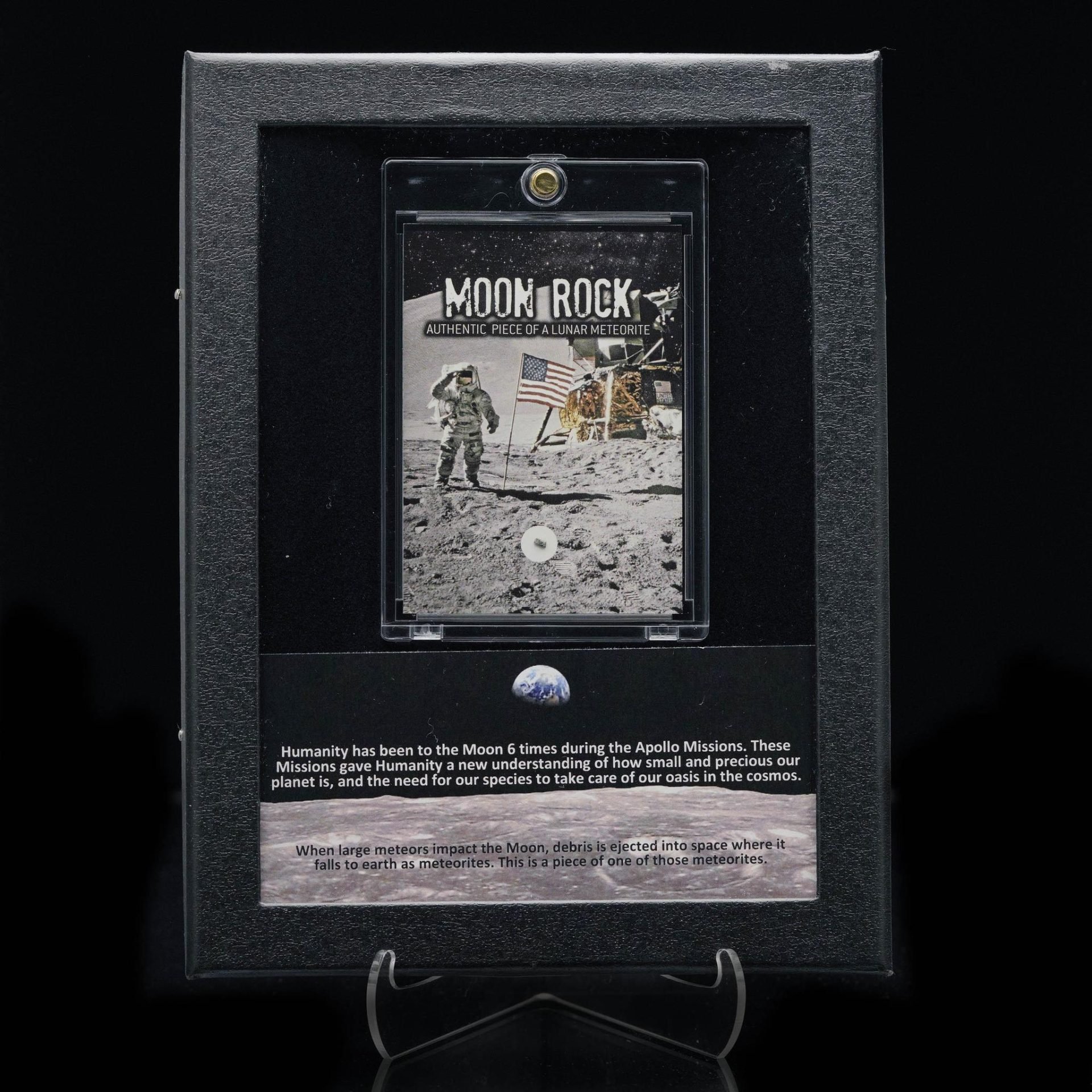
Lunar meteorites sit in a rare position. They carry immediate public recognition, genuine scientific weight, and a level of scarcity that keeps them relevant to both collectors and asset-minded buyers. Few natural objects can claim that mix. In collecting terms, lunar material behaves much like blue-chip art or a historically important watch. The audience is broader than the specialist base, and that wider recognition supports long-term demand.
As noted earlier, meteorites from the Moon and Mars make up only a tiny share of material recovered on Earth. Lunar pieces benefit from that scarcity, but scarcity alone does not make a strong acquisition. In this category, value comes from the combination of confirmed origin, visual character, and paperwork that would stand up to scrutiny in a serious collection.
Best use case for lunar specimens
Lunar meteorites usually make the most sense as high-conviction additions rather than volume purchases. A feldspathic breccia slice may look quiet beside a sculptural iron or a translucent pallasite, yet advanced collectors understand the appeal immediately. The surface can read like stone, but the classification carries the force. That is a familiar pattern in other collectible markets. The restrained object with indisputable identity often outperforms the louder object with weaker documentation.
This is also where buyers need discipline. Lunar material is often offered in small sizes, and that is normal. I would rather acquire a modest, fully documented lunar specimen than a larger piece with vague pairing information, weak labeling, or an inflated story attached to it. The same rule applies in fine art and watches. Provenance protects value.
Lunar specimens also have unusual strength as display pieces because viewers understand the object before they understand the classification. A genuine piece of the Moon can anchor a collection, a private study, or a gift at a level few meteorites can match. For collectors who care about scientific significance and market resilience, lunar meteorites remain one of the clearest examples of substance and recognition meeting in the same object.
6. Campo del Cielo Iron Meteorite
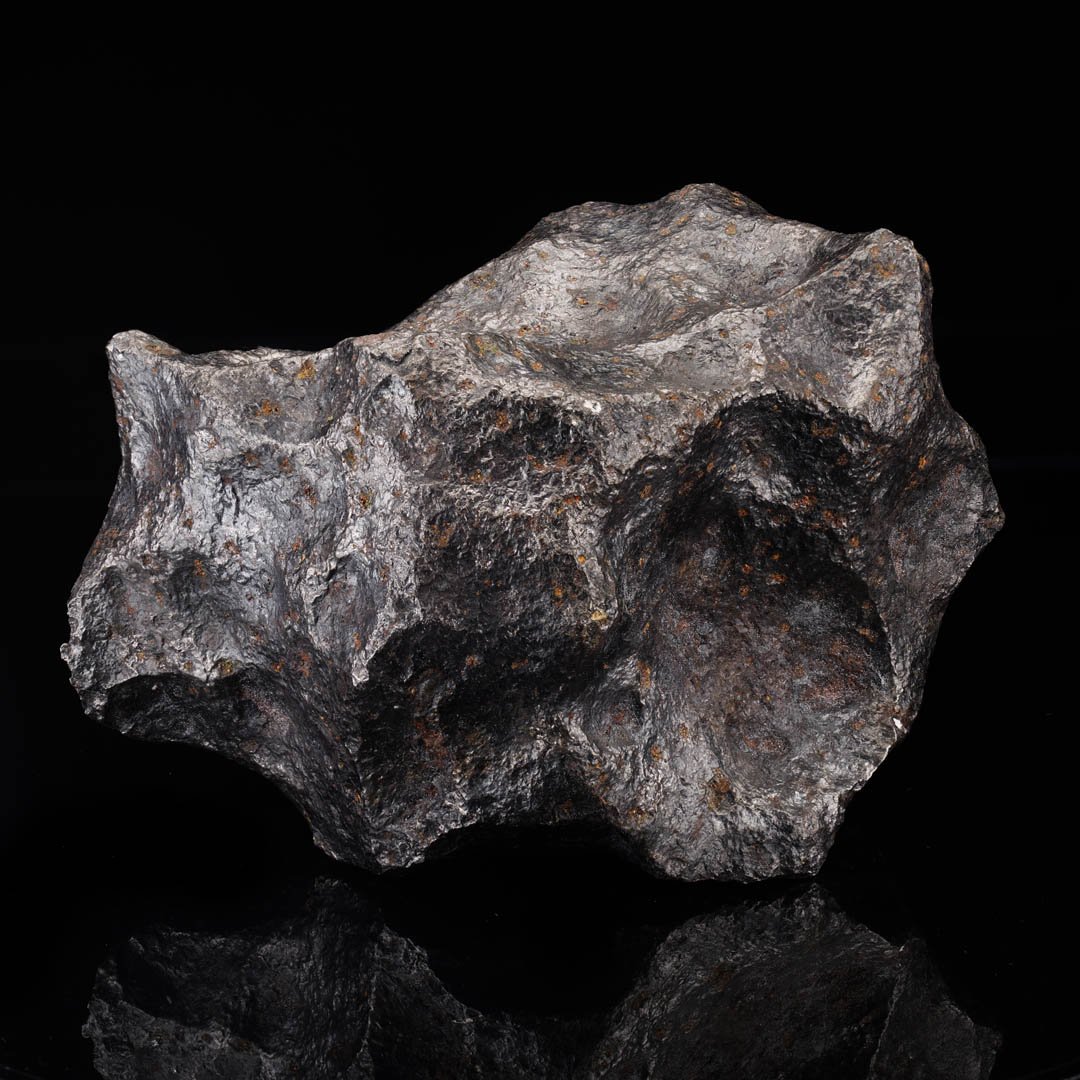
Campo del Cielo is one of the most practical entries in the top meteorites category. It offers tactile weight, obvious extraterrestrial character, and approachable collecting logic. Not every acquisition needs to be exotic. Some need to be convincing, stable, and satisfying in the hand.
That's why Campo remains a staple. It gives new collectors a legitimate path into authentic meteorites for sale without forcing them into the pricing pressure attached to planetary material. For established buyers, it serves another purpose. Larger and more sculptural examples can still read as serious display pieces.
Why collectors keep buying Campo
Campo often succeeds because its surface tells the story clearly. Sculpted exterior form, metallic density, and natural texture make it easy to appreciate even without cut preparation. In a study, office, or gallery shelf, it communicates “meteorite” immediately.
It also works well in layered collections. A buyer might place Campo beside a polished pallasite or a cut chondrite to show how differently meteorites present across classes. That educational contrast has real value, especially for collectors who host, teach, or build display environments.
What doesn't work is buying low-grade Campo merely because it's available. Common material still needs good form. In every collecting field, abundant examples exist. Strong examples remain the ones people want most. Campo follows that rule closely.
Best first purchase: A complete individual with clear surface texture.
Best advanced purchase: A larger sculptural piece with strong natural form.
Weak buying strategy: Choosing only by weight, while ignoring shape and condition.
7. Ordinary Chondrite Meteorite
Chondrites rarely win beauty contests, but serious collectors shouldn't ignore them. They are the backbone of meteorite science and one of the smartest ways to build depth into a collection. If iron meteorites supply drama, chondrites supply context.
Their importance becomes clearer when you look at the bigger picture. Meteorites preserve material from the Solar System's earliest era, and the Smithsonian notes, through NASA's meteorite facts page, that this record reaches back 4.6 billion years. Chondrites connect directly to that deep time story in a way many decorative specimens do not.
Why science can drive value
An ordinary chondrite isn't usually the piece that dominates a room. It's the piece that earns respect when someone asks whether the collection has scientific seriousness. Complete individuals with fusion crust have strong teaching value. Cut sections that show internal structure can be even better for buyers who want visible evidence over abstract explanation.
Museum-quality chondrites are a sensible choice. They often represent sound value because they add interpretive depth without requiring the budget of Martian or lunar material. For a buyer building a balanced collection, that matters.
A good meteorite collector guide should therefore include chondrites early, not as an afterthought. They ground the collection. They also remind buyers that the best specimen isn't always the most glamorous one. In many fields, foundational material becomes more appreciated as the collector matures. Chondrites often follow that path.
A refined collection needs contrast. If every specimen is chosen only for spectacle, the collection gets flatter, not stronger.
8. Tektites and Impact Glass
Tektites occupy a useful edge category. Strictly speaking, they are not meteorites. They are natural glasses created by impact events on Earth. Yet serious collectors often include them because they preserve the shockwave legacy of cosmic collision in a form that is highly display-friendly.
That makes them strong acquisition pieces for buyers who want impact history with immediate visual appeal. Moldavite, in particular, attracts crossover demand from collectors, jewelry buyers, and gift purchasers. Libyan Desert Glass serves a different taste, often leaning toward sculptural translucency and historical resonance.
Why authentication matters even more here
Tektites can look deceptively simple, which creates risk. The market contains imitation material, especially where shape and color are easy to mimic with artificial glass. For that reason, this category rewards disciplined sourcing more than casual visual judgment.
This is also where use case matters. Tektites are often excellent gifts because they look approachable and mysterious at the same time. For collectors, they can add texture to a meteorite cabinet without competing directly with irons or planetary material. For designers, they bring a softer visual note than metal-rich specimens.
Top 8 Meteorites Comparison
Meteorite Type
Acquisition Difficulty
Resource Requirements (Cost & Care)
Expected Outcomes
Ideal Use Cases
Key Advantages
Muonionalusta Iron Meteorite
Moderate, accessible small slices, rarer large spheres
Moderate cost; requires low-humidity display or light mineral oil treatment
High visual impact (Widmanstätten patterns); collectible investment
Display slices/spheres, collector showcases
Distinctive Widmanstätten crystalline pattern; ancient provenance
Sikhote-Alin Iron Meteorite
Moderate, common shrapnel, sculptural individuals rarer
Variable cost; straightforward dry storage; authenticity by morphology
Variable, moldavite in high demand, others more available
Moderate cost; verify authenticity to avoid glass imitations
Attractive translucent glass; good for jewelry and display
Jewelry, decorative pieces, collectors of impact glass
Distinctive colors/textures; formed by terrestrial impact; historical use
Why Authenticity and Provenance Matter
Authentication is where the discerning market separates from the souvenir market. A meteorite without solid documentation may still be interesting. It isn't necessarily collectible at a serious level. The visual signs people often discuss, such as fusion crust, irregular form, or regmaglypts, are helpful, but they are not enough on their own. Washington University's meteorite identification guidance stresses that meteorites should ideally be confirmed by a specialist or through the Meteoritical Society process rather than by appearance alone in its meteorite identification notes on angles and edges.
In practical terms, provenance does three jobs. First, it protects the buyer from misidentification. Second, it supports future resale or donation. Third, it preserves scientific respect. Meteorites aren't just collectibles. They are research-grade natural history objects, and good paperwork keeps them in that category.
This matters especially in premium classes. A Martian or lunar specimen without strong classification support shouldn't command planetary pricing. An iron meteorite without stable preparation may lose appeal over time. A pallasite with weak labeling may look beautiful today, but become difficult to defend later. In each case, documentation supports value the way original papers support fine watches or provenance supports fine art.
Astro West's position in this market benefits from long-standing gallery practice. The business was established in 1961, and the gallery presents itself as a curated source rather than a mass seller. For buyers, that matters because trust compounds. A certificate of authenticity backed by a long-running natural history dealer carries more weight than a vague online claim.
What serious buyers should verify
Classification: Confirm whether the specimen is iron, stony, stony-iron, lunar, Martian, or impact glass.
Named identity: Check whether it corresponds to a recognized meteorite name in the database.
Documentation: Ask for provenance records, labels, and any certificate that accompanies the piece.
Condition: Examine preparation quality, surface stability, and display suitability.
Seller credibility: Buy from dealers who understand scientific classification and can explain it clearly.
How to Start or Expand a Meteorite Collection
A new collection doesn't need to begin with the rarest object in the room. It should begin with clear logic. Most buyers do best when they choose one of three paths. They buy for display, for science, or for rarity. The strongest collections eventually combine all three, but they don't need to start there.
If your priority is display, begin with authentic iron meteorites or a well-prepared pallasite slice. Those pieces tend to communicate immediately and hold attention in an interior. If your priority is scientific depth, start with collectible meteorite specimens from the chondrite category. If your priority is rarity, save for documented Martian or lunar material and buy less often but more carefully.
Budget should shape the form, not the seriousness of the acquisition. A small classified specimen can be a better buy than a larger anonymous piece. That's one of the most important lessons in any meteorite collector guide. You don't need to spend at the top of the market to buy intelligently. You do need to insist on authenticity.
Expansion follows the same logic. Add contrast. Pair a sculptural iron with a cut chondrite. Pair a pallasite with a lunar slice. Add tektites if you want an impact story that broadens the cabinet without duplicating what you already own. The goal isn't volume. It's coherence.
Collectors also do well when they think like curators. Ask what each new specimen contributes. Does it deepen the science, improve the display, or enhance rarity? If the answer is none of the three, skip it. That discipline protects both the quality and long-term value of the collection.
Shop Top Meteorites at Astro West
The best meteorites hold up under two kinds of scrutiny. They matter scientifically, and they justify their price as objects with lasting collector demand.
That is the standard serious buyers should use. In practice, a meteorite earns attention the same way a strong work on paper, a signed design object, or a rare watch does. The category matters, but the individual example matters more. Surface character, preparation quality, scale, orientation, and paperwork all affect how a piece performs in a room and how it is regarded in the market.
At the acquisition stage, weak buying usually starts with size alone. Large anonymous fragments can look impressive for a moment and disappoint over time. Well-chosen named specimens with documented provenance tend to age better as collection pieces because they are easier to understand, verify, and place within a broader collecting strategy. As noted earlier, classification records are part of that discipline.
Astro West is a practical source for collectors who want that level of selectivity. The gallery handles natural history material with the standards serious buyers expect, including expert authentication and documented provenance. That matters whether the goal is a first iron meteorite for display or a more focused purchase in the lunar, Martian, or pallasite categories.
Browse Astro West if you want meteorites for sale that have been chosen with curatorial judgment rather than listed as generic fragments. Shop online for immediate acquisition, visit the Manhattan gallery to assess form and finish in person, or contact the team if you are building a collection around rarity, aesthetics, or long-term asset quality.