Forget the plastic pumpkins and cheesecloth ghosts. If you're looking for a truly enchanting Halloween vibe this year, it's time to consider the sophisticated allure of calcite on quartz. This mineral combination brings a natural, mystical beauty to your seasonal decor that feels both magical and just a little bit eerie.
The Allure of Eerie Elegance in Halloween Decor
Are you tired of the same old Halloween decorations? Good. There's a growing movement away from mass-produced items and towards using natural elements to create a more refined, mysterious atmosphere. It's about swapping the bright orange and black for the subtle, complex beauty of minerals.
This is where specimens of calcite on quartz really shine. Picture them as the centerpiece in a mysterious alchemist's lab or scattered across the mantelpiece of an elegant haunted mansion. Their raw, crystalline forms catch the light in fascinating ways, adding a layer of authentic wonder that plastic decorations simply can't compete with. You can explore more ways to bring these elements into your home with unique ideas for natural home decor.
Setting a Mystical Scene
The real magic happens when you bring the distinct properties of these two minerals together. Quartz, with its sharp, often translucent points, provides a sparkling, almost ghostly foundation. When you add calcite to the mix—which can fluoresce with an eerie glow under a blacklight—the effect is spectacular.
This combination of calcite’s ghostly fluorescence and quartz’s ethereal sparkle creates a dynamic and enchanting display, offering a stylish and refreshing alternative to conventional Halloween decor.
This unique partnership lets you design scenes that are both spooky and beautiful. By thoughtfully placing these specimens, you can create a sophisticated and chilling environment that captivates guests and celebrates the season in a completely new way. For even more inspiration on elevating your Halloween ambiance, check out some creative event decor ideas to ensure a truly unforgettable celebration.
Understanding Your Spooky Crystal Specimens
To pull off a truly captivating Halloween display, you have to know your materials. Getting familiar with the distinct properties of calcite on quartz is the secret to unlocking their spooky potential, turning them from simple minerals into the stars of an eerie, elegant setup. These aren't just rocks; they're natural works of art with their own built-in special effects.
The most enchanting quality of certain calcite specimens is their fluorescence. This is a cool natural trick where the mineral soaks up ultraviolet (UV) light—like from a blacklight—and spits it back out as a visible, often ghostly, glow. It's the perfect way to create an otherworldly vibe without messing with complex wiring or cheesy artificial effects.
Quartz, on the other hand, sets the perfect mystical stage for this glowing performance. Its job is all about structure and sparkle.
The Role of Quartz Formations
The shape and type of quartz your calcite has grown on makes a huge difference in the final look. Here are a few common forms and how they play into a Halloween theme:
Clear Quartz Points: These often look like frozen shards of light or little captured spirits. Their sharp, geometric shapes bring a touch of drama and class.
Amethyst Clusters: The deep, royal purple of amethyst instantly gives off a mysterious, witchy feel. A good-sized cluster can look like a magical cave or something straight out of a sorcerer's workshop.
Smoky Quartz: With its dusky, transparent grey-to-black hues, smoky quartz is naturally spooky. It makes you think of shadows and ancient secrets, providing the perfect moody base for glowing calcite.
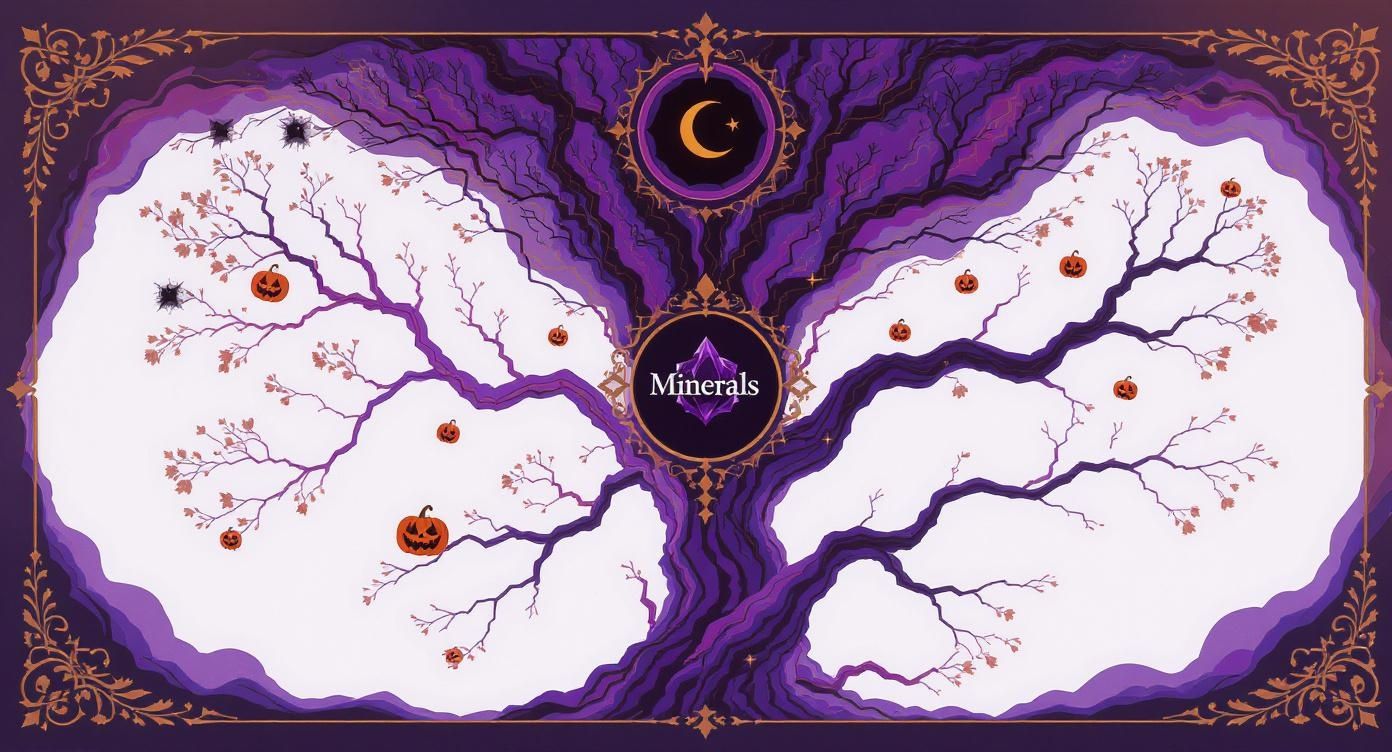
This concept map breaks down how these two minerals work together to create an eerie and elegant Halloween theme.
The map really shows how the physical traits of these minerals translate directly into a mystical vibe that’s perfect for sophisticated Halloween decor. By zeroing in on these visual elements—the glow, the shape, and the color—you can pick the best calcite on quartz specimens to bring your spooky vision to life.
The real magic is in the combination. Just imagine a cluster of sharp, smoky quartz points with patches of calcite that suddenly erupt in a bright, ethereal orange or green glow the second you flick on a blacklight.
This interaction creates a stunning visual surprise that will definitely get your guests talking. While we love it for its looks, calcite is also a major industrial player. The global calcite market was valued at around USD 11.28 billion back in 2021 and is expected to keep growing, mostly because of its use in construction and manufacturing.
By understanding the unique relationship between these two minerals, you can choose pieces that will truly stand out. Our guide to the dynamic duo of calcite and quartz dives even deeper into these fascinating specimens. This knowledge lets you decorate not just with objects, but with natural phenomena.
Designing a Haunted Crystal Tablescape
A Halloween dinner party calls for a centerpiece with a story, something that whispers of magic and mystery. Forget the usual wilting flowers or plastic pumpkins—this year, a tablescape built around calcite on quartz specimens can transform your dining room into a scene from a gothic fairytale. The goal here is to create a focal point that’s both elegant and just a little bit eerie.
The secret is to build a narrative around your crystals. Are they magical artifacts on a witch's altar? Glowing experiments in a mad scientist's lab? Or maybe the spectral remnants of a ghostly banquet? Deciding on a theme will guide every choice you make, from the crystals you pick to the fabrics you use, ensuring your whole design feels cohesive and captivating.
Choosing Your Eerie Theme
Your theme sets the stage for the entire table. Each of these ideas uses the unique character of calcite on quartz in a different way to conjure a very specific atmosphere. Think of these as starting points for your haunted masterpiece.
Mad Scientist's Lab: This theme is all about the glow. Hunt for calcite on quartz specimens known for their brilliant fluorescence. Arrange them on lab-style stands or inside glass beakers, then surround them with vintage-looking scientific instruments and dark, bubbling liquids (a little dry ice in colored water works wonders).
Witch's Altar: If you're going for a more mystical vibe, focus on darker, moodier crystals. Use smoky quartz as your base and look for calcite that adds a surprising pop of color. Drape the table in rich velvets, scatter a few tarot cards, and add bundles of dried herbs like sage and rosemary.
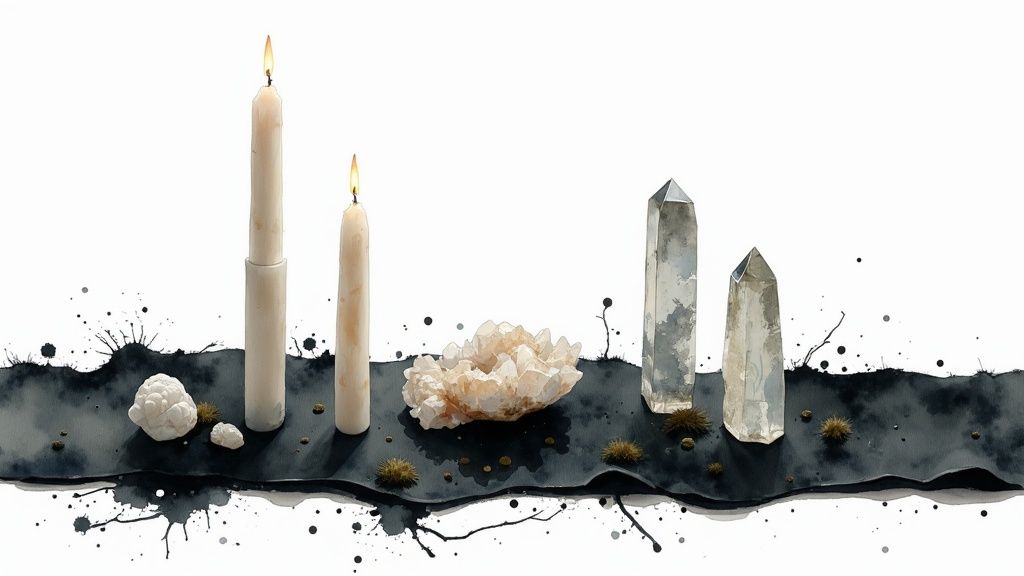
Ghostly Banquet: This theme leans into ethereal, almost icy beauty. Use clear quartz points and clusters to create a spectral landscape. Weave silvery fabrics between the crystals, add some antique silverware, and finish with plenty of drippy, white candles to cast flickering shadows across the room.
Arranging Your Crystal Centerpiece
Once you've settled on a theme, it’s time to bring it to life. Start by laying down a base fabric, like black velvet or some tattered cheesecloth, to add immediate texture and depth. Place your largest, most dramatic calcite on quartz piece right in the center—this will be your anchor.
Build outwards from that central showstopper, creating smaller vignettes with other crystals and decorative elements. You want to play with varying heights and textures. Try using stacked books or small risers to elevate certain pieces, and fill in the gaps with natural touches like moss or dried branches.
Lighting is the final, crucial element that ties everything together. While these minerals are stunning on their own, the right light can amplify their magic. You can get even more creative ideas by checking out our guide on how to display crystals for maximum impact.
For a theme like the Mad Scientist's Lab, a hidden blacklight is a must. Position it so it shines directly on your fluorescent calcite, making the specimens blaze with an otherworldly light. For just about any other spooky theme, candlelight is your best friend. It creates a flickering, mysterious ambiance that makes every quartz facet sparkle and dance.
Creating Ethereal Illumination with Glowing Crystals
Beyond a simple centerpiece, the real magic of calcite on quartz happens when you tap into its ability to create its own otherworldly light. By playing with its natural fluorescence, you can craft some seriously captivating DIY lighting projects that feel like a safer, more enchanting alternative to traditional candles. These glowing creations are perfect for setting a mystical mood on mantels, in shadowy corners, or along entryways.
The trick is to combine the mineral's natural glow with just a hint of modern lighting. It's this synergy that creates a display that feels both magical and thoughtfully designed, turning any space into a scene of eerie beauty. The best part? It's surprisingly simple to pull off a professional, high-impact look with just a few key pieces.
Crafting Your Own Enchanted Lanterns
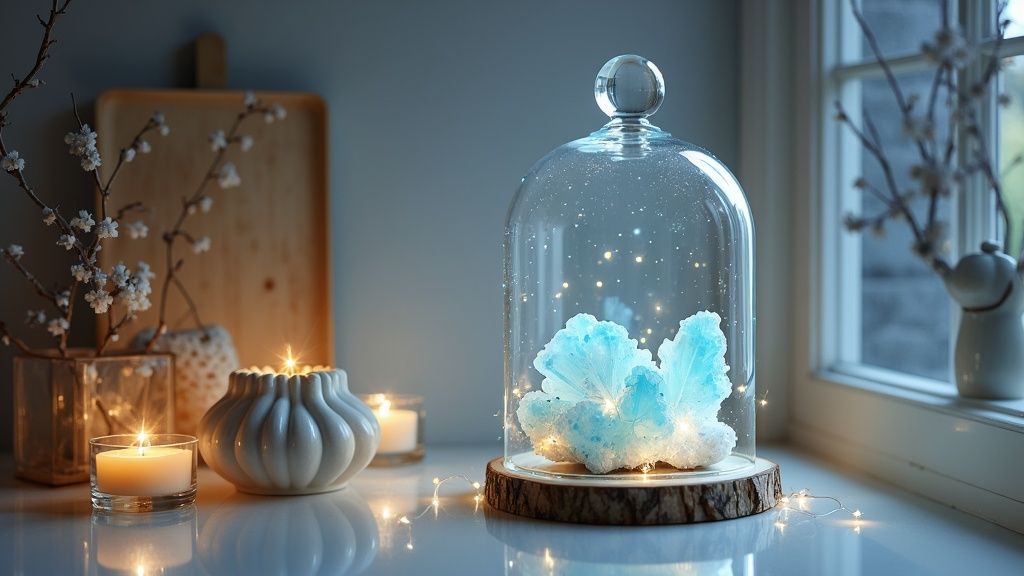
Creating a self-contained glowing scene is a fantastic weekend project. These "enchanted lanterns" use glass cloches or bell jars to house a miniature world of spooky elegance, protecting the delicate crystals while amplifying their glow.
Here’s a simple guide to building your own:
Select Your Stage: Start with a glass cloche, terrarium, or even a large, clear vase. The glass contains the light and gives your display that curious "specimen" vibe.
Build Your Base: Fill the bottom with a layer of dark moss, faux spiderwebs, or black sand to create a moody foundation for your crystals.
Position the Crystals: Place your most impressive fluorescent calcite on quartz piece right in the center. Then, arrange smaller quartz points or other dark minerals around it to add some depth.
Add a Surprise Reveal: Discreetly position a small, battery-operated blacklight (a UV LED) inside the cloche, hiding it behind the main crystal. When you switch it on, the calcite will burst into an unexpected, vibrant glow.
Amplify the Sparkle: Weave a string of delicate, battery-powered LED fairy lights around the base and among the crystals. A cool white or purple light works perfectly with the spooky theme.
Designing a Glowing Crystal Garden
For a larger display, like a mantelpiece or windowsill, you can expand the lantern concept into a "glowing crystal garden." This approach is all about creating a sprawling landscape of illuminated minerals.
Arrange several calcite on quartz specimens of different sizes along the surface, mixing in dark foliage, twisted branches, and faux spiderwebs. Use a longer UV blacklight strip hidden at the back to light up all the fluorescent pieces at once, creating a cohesive and mesmerizing scene of eerie light.
The goal is to make the light source feel like it's coming from the crystals themselves. By cleverly hiding the blacklights and fairy light battery packs, you preserve the illusion of natural, mystical energy.
While calcite provides that ethereal glow, its quartz base is a powerhouse in its own right. The global quartz market was valued at approximately USD 7.76 billion in 2024, a testament to its essential role in everything from electronics to construction.
If you're looking for unique and ethereal illumination in your home year-round, you might also explore specialized fixtures like a Calcite Nordic Style Pendant Light.
How to Source and Care for Your Crystals
Finding that perfect calcite on quartz specimen is half the fun, isn't it? Once you bring these natural wonders home, a little bit of care will ensure they remain a stunning part of your decor for years to come. Knowing where to look and how to maintain them is the key to preserving their unique elegance.
Your treasure hunt for the ideal calcite on quartz can lead you to some pretty exciting places. Each one offers a different kind of experience, from the hands-on thrill of discovery to the convenience of shopping from your couch. A great starting point for any enthusiast is learning how to start a collection of rare rocks and minerals, which can give you some fantastic insights into the process.
Where to Find Your Spooky Specimens
Honestly, the best place to find unique pieces is usually where you can see them in person. This lets you inspect the crystal structure up close and, most importantly, test for that all-important ghostly glow under a blacklight.
Local Rock Shops: These places are fantastic resources. The owners are typically passionate experts who can tell you the origin story of a piece. Better yet, they'll likely have a blacklight on hand for you to test the calcite's fluorescence before you even think about buying.
Gem and Mineral Shows: Think of these as a massive gathering of treasure. These events bring dozens of vendors together under one roof, offering an incredible variety of specimens. It’s a great place to compare prices and find something truly special.
Online Dealers: Reputable online mineral stores give you access to a global inventory. The key is to look for sellers who provide high-quality photos, videos, and detailed descriptions that specifically mention "fluorescent" or "UV-reactive" properties.
Safely Cleaning and Storing Your Crystals
When the season of spookiness ends, you'll want to clean and store your decorations properly. Calcite is a relatively soft mineral—it's only a 3 on the Mohs hardness scale—so it requires a gentle touch to avoid scratches or damage.
CRITICAL CARE TIP: Never use harsh chemicals or abrasive scrubbers on calcite. Its delicate surface can be easily damaged, which will dull its natural luster and could even harm the intricate crystal formations.
For routine cleaning, a soft, dry brush (like a makeup brush) is perfect for gently dusting away any cobwebs or debris. If it needs a bit more, a quick rinse under lukewarm water and patting it dry with a soft cloth will do the trick. Just be sure to avoid soaking the specimen, as too much water exposure can damage the calcite over time.
Once it's clean and dry, store your calcite on quartz away from direct sunlight, which can cause some minerals to fade. I recommend wrapping each piece individually in a soft cloth or bubble wrap and placing it in a sturdy box. This simple step prevents them from knocking against each other and ensures their ghostly glow will be ready to enchant again next year.
Your Top Questions About Crystal Decor, Answered
Jumping into the world of crystal decor is a blast, especially for Halloween, but it's totally normal to have questions. You might be wondering about safety, how to pick the right pieces, or what even makes them glow. Getting a handle on these details will help you decorate with confidence, so let’s clear up some of the most common questions about using calcite on quartz for your spooky displays.
Is Calcite on Quartz Safe Around Pets and Children?
Generally, yes—but a little caution goes a long way. While quartz is a pretty tough mineral, calcite is much softer, landing at just a 3 on the Mohs hardness scale. That means it can be brittle and a bit delicate.
If handled roughly, small pieces could break off, posing a potential choking hazard for little ones or curious pets.
The best approach is to place your crystal displays where they can be admired but not touched. Think high shelves, mantels, or even inside a glass cloche. This keeps your specimens safe and your family safer.
And don't forget about any electricals you're using, like blacklights or string lights. Make sure all cords are tucked away neatly, with no dangling wires to tempt a playful paw or a toddler's grasp. A little safety planning ensures everyone can enjoy the spooky vibe.
How Do I Know If My Calcite Will Glow?
This is the big question, isn't it? That ghostly glow is what makes calcite a Halloween superstar. The simple truth is that not all calcite is fluorescent. Its ability to glow hinges on the presence of specific mineral "activators" mixed into its crystal structure.
The only sure-fire way to know if a piece of calcite will pop under UV light is to test it with a blacklight. If you're shopping at a mineral shop in person, don't be shy—ask if they have one you can use. Most good dealers are more than happy to show off a specimen's fluorescence.
When shopping online, keep an eye out for these keywords in the description:
"Fluorescent"
"UV Reactive"
"Glows under blacklight"
Some specimens from famous locations, like Franklin, New Jersey, are legendary for their bright and dependable glow. Seeking out minerals from these areas can definitely boost your chances of finding a piece that puts on a spectacular show.
What Other Crystals Work Well for Halloween?
While calcite on quartz is a showstopper, it doesn't have to be a solo act. Bringing other minerals into your display can add layers of color, texture, and mystery, creating a richer and more captivating scene.
Think of these other crystals as the supporting cast that elevates the whole vibe. Here are a few great choices that fit right in with a Halloween theme:
Black Tourmaline or Obsidian: These deep, dark stones bring that classic witchy feel. Their inky black color creates a stunning, dramatic contrast next to glowing calcite.
Amethyst: With its rich, royal purple hues, an amethyst cluster instantly adds a touch of magic and mystery. It’s perfect for crafting a sorcerer's-lair or enchanted-forest look.
Carnelian: The vibrant orange and red tones of carnelian serve as a sophisticated, all-natural stand-in for pumpkins, giving your display a pop of seasonal color.
Pyrite: Often called "Fool's Gold," pyrite's metallic shine and cubic shapes can conjure images of a dragon's hoard or buried pirate treasure.
Mixing these minerals lets you build more complex and visually interesting displays. By playing with different colors and textures, you can design a Halloween setup that is truly your own.
Ready to start your own collection of natural art? At Astro West, we offer a curated selection of fine minerals, fossils, and unique decor pieces ethically sourced from around the globe. Explore our stunning calcite on quartz specimens and discover the perfect piece to bring an eerie elegance to your home this Halloween. Visit us at https://astrowest.com to find your next treasure.