Luxury Home Decor Gifts: A Guide to Gifting Natural Assets
Most luxury gifts peak the moment the ribbon comes off. The rare ones get more interesting with time.
That’s what makes natural history objects different. A fine mineral, a fossil, or an authentic meteorite arrives with scarcity, story, and presence already built in. These pieces don’t just decorate a room. They add depth, spark conversation, and can hold value beyond the occasion itself. That distinction matters in a market that keeps moving upward. The global luxury home decor market is projected to reach USD 618,072.32 million by 2032 at a 16.93% CAGR, according to Credence Research's luxury home decor market outlook.
An Introduction to Gifting with Authority
Luxury home decor gifts rarely fail because they're expensive. Price alone doesn't create permanence.
A discerning gift should hold visual power the first day, then deepen with time. Natural history objects do that unusually well. A crystalline cabinet specimen, a polished fossil object, or a fragment of meteorite carries age, rarity, and scientific meaning that ordinary decor can't replicate. Therefore, the act of buying becomes an act of curation.
The broader market supports this shift. Buyers are moving toward premium, aesthetic-driven, and sustainable interiors, not only toward branded goods. That's one reason serious collectors and design-led households increasingly look at natural specimens as part of the luxury conversation. In rooms that already feature strong furniture and art, these objects add another dimension. They introduce geology, deep time, and provenance.
For clients refining a finished interior, I often suggest pairing a natural specimen with established art and design pieces rather than treating it as novelty. For example, a room anchored by premium wall art at Jessie's Home can gain far more character when one rare natural object introduces texture, asymmetry, and an origin story no studio can reproduce.
Natural history gifts succeed when they don't merely fill space. They change how a room is read.
That's why the right luxury home decor gift isn't just decorative. It's durable in meaning. It can sit comfortably beside fine art, antiques, or custom furnishings because it isn't competing on trend. It's competing on authenticity.
Beyond Decoration Gifting an Appreciating Asset
Most gifts depreciate on contact. A museum-grade specimen doesn't have to.
Museum-grade mineral specimens can appreciate over time, unlike most gifts that depreciate immediately upon opening, as noted in this overview of luxury crystal gifts. That doesn't mean every polished stone becomes an asset. It means the right object can occupy the same mental category as fine art, rare watches, or other collectible property. Buyers pay for scarcity, condition, and confidence in origin.
What actually drives value
The strongest specimens command attention for concrete reasons, not romantic language.
Value driver
Why it matters
Rarity
Common material rarely behaves like a collectible, even when polished well.
Provenance
A documented chain of origin supports trust, resale logic, and scholarly value.
Condition
Damage, repair, or overworking can reduce both aesthetic and collector appeal.
Size
Scale matters when it's paired with strong form, not when it's simply large.
Aesthetic integrity
Symmetry, color zoning, crystal definition, and natural drama affect desirability.
Market demand
Some categories stay liquid because designers, collectors, and institutions all want them.
What works and what doesn't
A strong gift purchase begins with selectivity. Buyers often overpay for polished sameness. They chase shine and miss distinction.
What holds up better is a piece with one clear point of excellence. That may be an unusually balanced crystal habit, exceptional fossil preservation, or a meteorite slice with visible structure. However, if a piece lacks origin details or has been altered too aggressively, the decorative appeal may remain while the long-term value weakens.
Practical rule: Buy the best example you can justify, not the largest object you can afford.
That logic mirrors other collecting fields. In fine art, buyers value authorship, condition, and exhibition history. In watches, they value originality and documentation. In natural history, the parallel is direct. Collectors want material that remains scientifically respectable while still reading beautifully in an interior.
The best luxury home decor gifts sit at that intersection. They don't ask the recipient to choose between beauty and seriousness. They offer both.
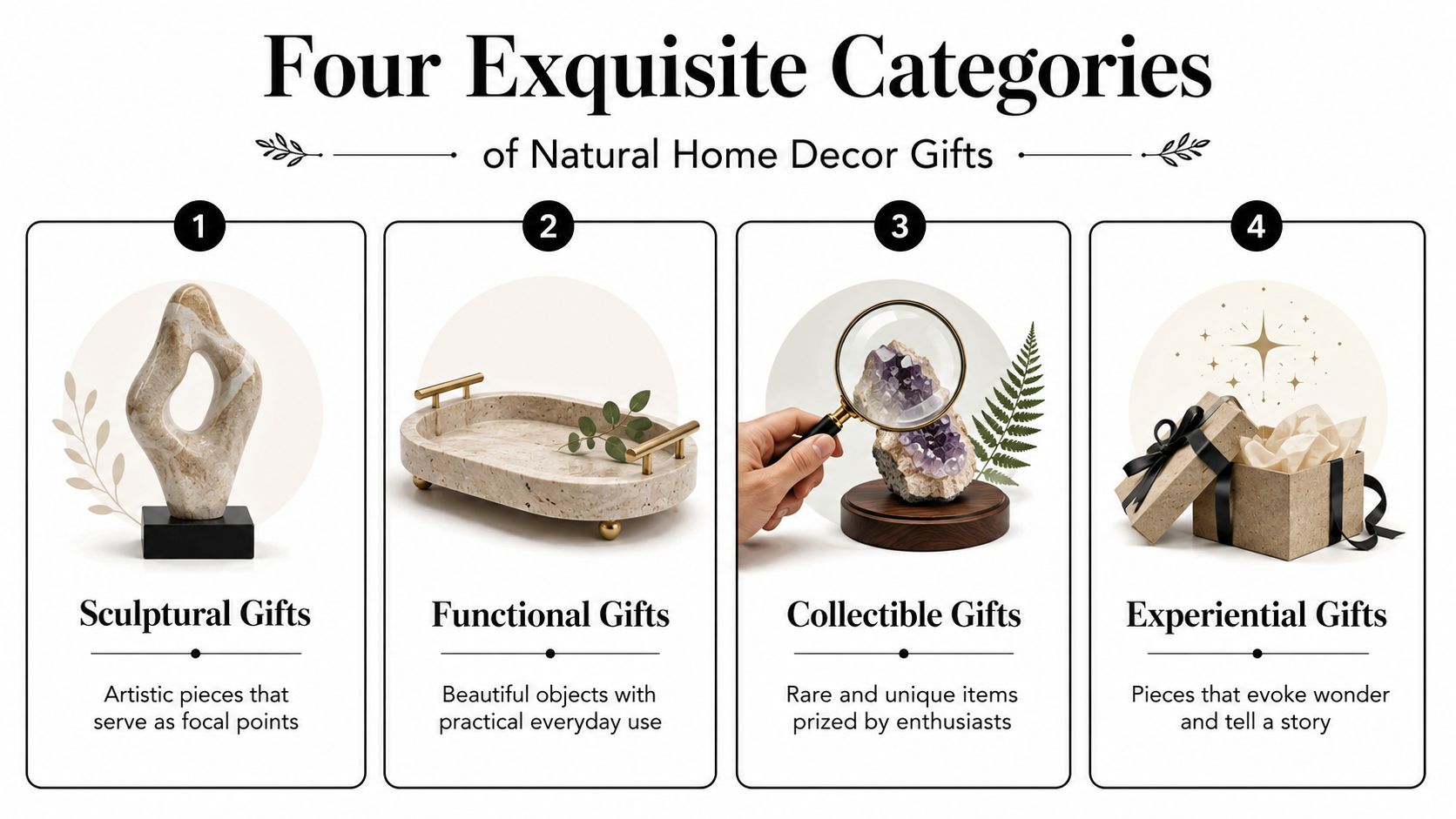
Four Categories of Natural Luxury Gifts
Natural luxury works best when the buyer understands the category first. Not every recipient responds to the same kind of object. Some want sculptural presence. Others want history, function, or a strong story.
Sculptural minerals
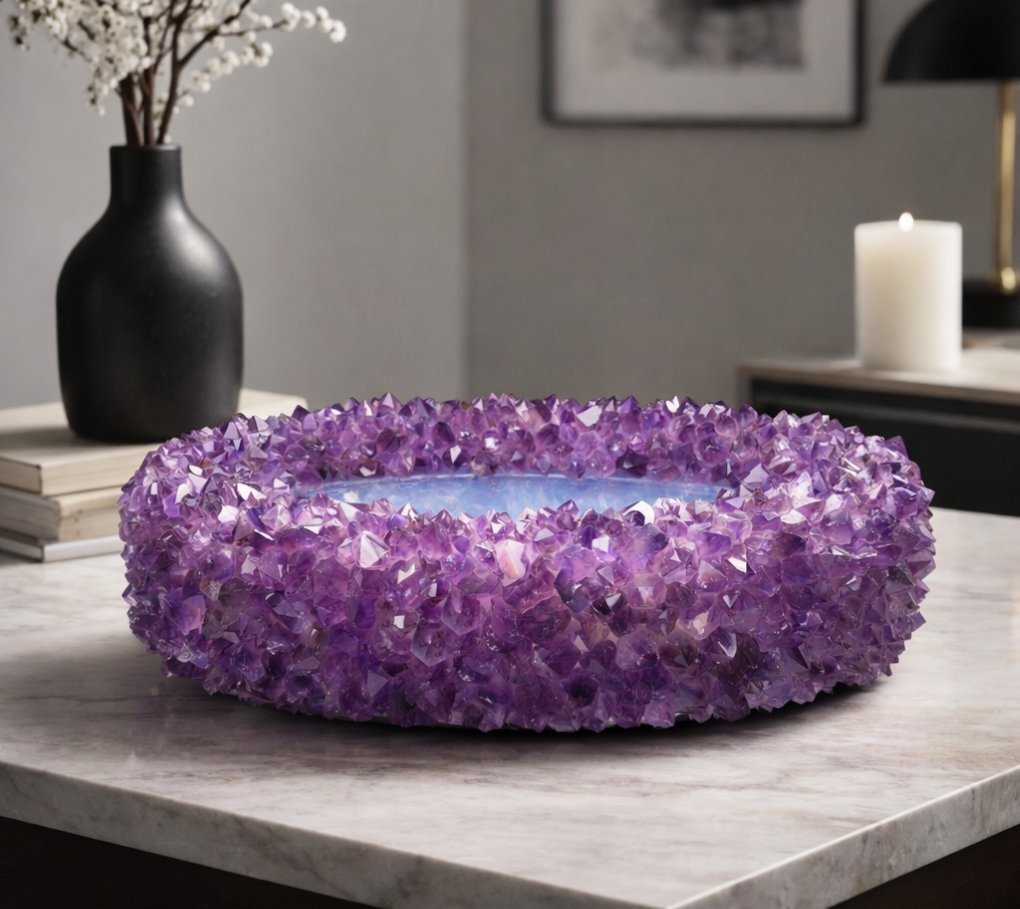
This category suits the client who reads a room through form and color. Cathedral amethyst, malachite carvings, fluorite, celestite, and dramatic quartz clusters can operate like sculpture while remaining entirely natural.
Price usually rises with crystal definition, saturation, balance, and damage-free presentation. A specimen should look resolved from more than one angle. If it only works from a single front view, it's decor. If it commands the room in the round, it starts to behave like art.
Fossils are gifts for people who respond to time, evidence, and narrative. They carry a different emotional charge than minerals. Instead of pure formation beauty, they present preservation. Someone held this organism in life only through Earth's archive.
Not every fossil belongs in a refined interior. The strongest choices have visual clarity and enough finish to live comfortably in domestic space without losing scientific respect. Petrified wood objects, ammonites, fossil plates, and select amber pieces often perform especially well because they bridge scholarship and design with little friction.
Authentic meteorite pieces
Meteorites bring rarity of origin. They also bring immediate conversation.
For the right recipient, an authentic meteorite slice or sculptural iron mass outclasses conventional executive gifts because it introduces the cosmos into the home. The category rewards traceability heavily. Buyers should care where the piece was found, how it was classified, and whether the surface or cut preserves recognizable structure. Without that, a meteorite gift becomes difficult to defend as a collectible.
A meteorite doesn't need ornament to feel extraordinary. Its origin does the work.
Decorative objects in natural materials
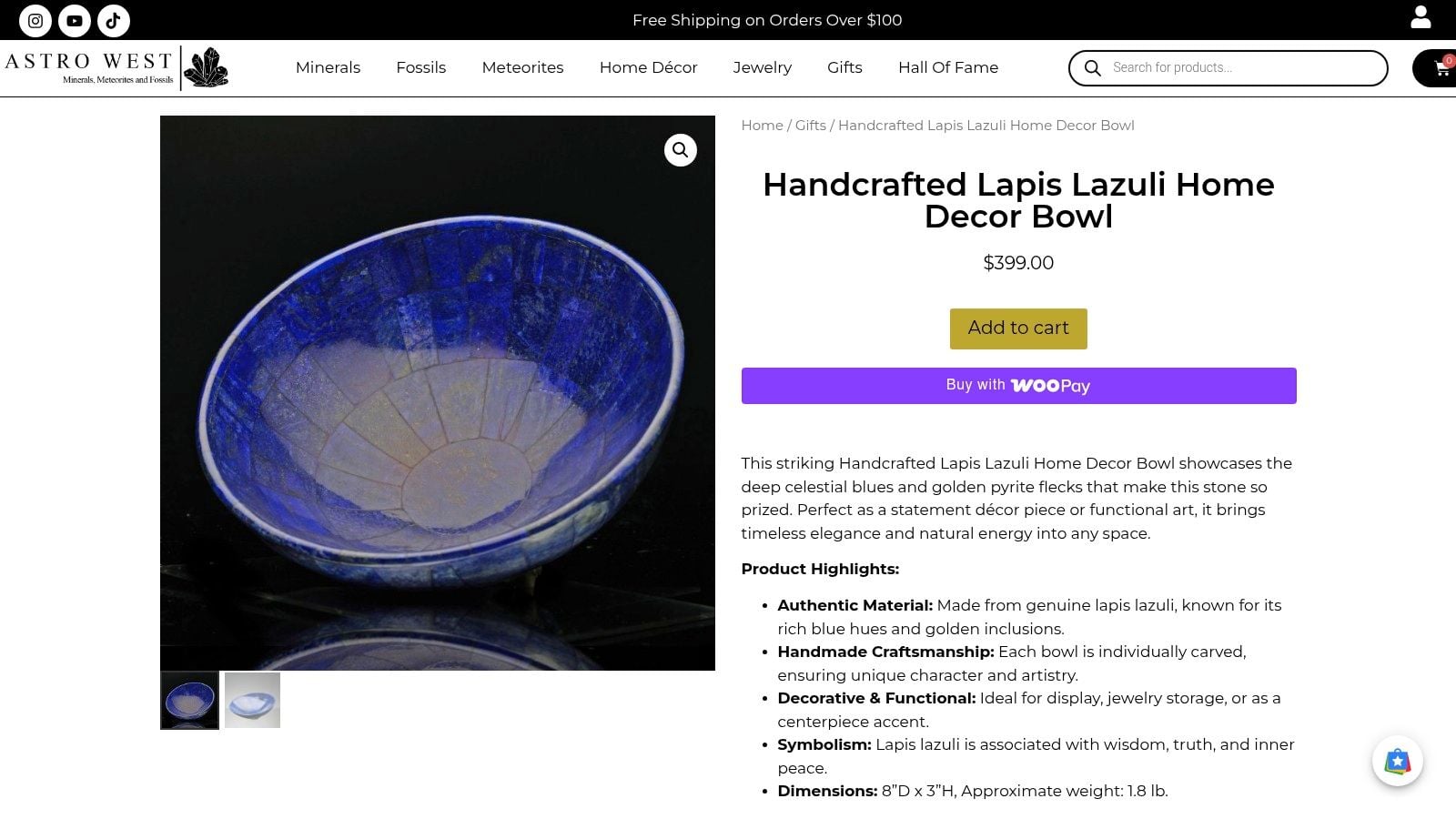
Some recipients want use, not just display. That's where bowls, boxes, vases, trays, and carved objects become compelling. The key is to choose forms that respect the material instead of forcing it.
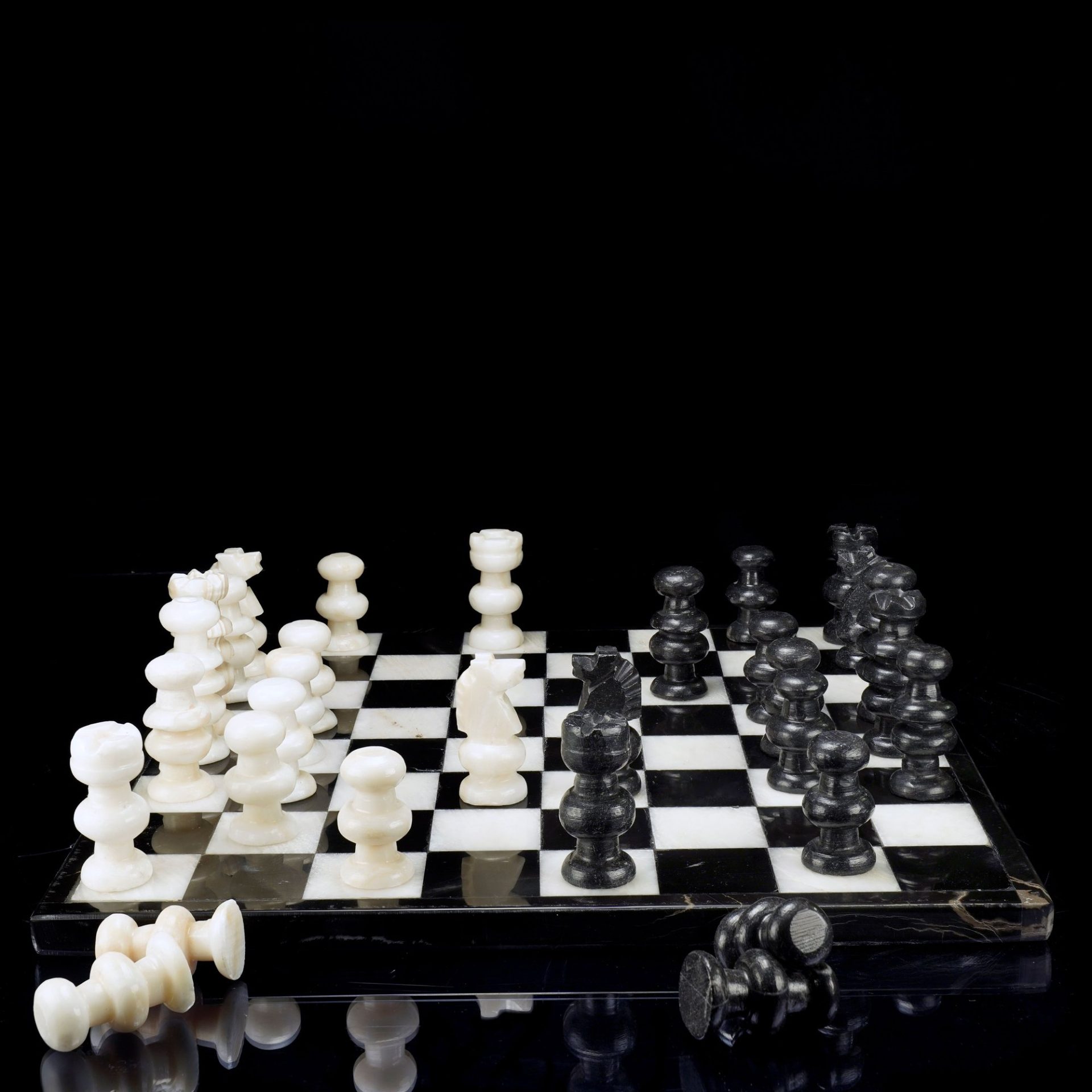
This category includes polished stone vessels, fossil objects, carved onyx, and petrified wood pieces. These gifts suit housewarmings, anniversaries, and clients furnishing a new residence. They feel generous because they enter daily life, yet they still hold the authority of natural origin.
A quick selection guide helps:
For the design purist: Choose sculptural minerals with strong silhouette.
For the intellectually curious: Choose fossils with clear geological or paleontological interest.
For the executive or collector: Choose authenticated meteorites with documented background.
For the gracious host or new homeowner: Choose functional natural objects that can live on a console, dining table, or desk.
Matching the Gift to the Recipient and Occasion
Good gifting starts with the person, not the inventory. The same specimen can feel profound in one setting and misplaced in another.
For the collector, the homeowner, and the client with everything
The art collector often wants a gift that can stand beside paintings, bronzes, and books without looking decorative in the lesser sense. In that case, choose a specimen with formal strength. A clean mineral sculpture or a fossil object with sculptural mass usually lands well.
The design-focused homeowner often responds to warmth and placement. Clients regularly come in to pick specific stones, crystals, or unique handcrafted jewelry for meaningful people in their lives because they want the gift to feel chosen, not assigned. That instinct is correct. A recipient who notices color, light, and texture should receive something that integrates naturally into the home.
One of the clearest examples involved a client furnishing gifts for a family member's new home. She wanted a set that felt personal and lasting rather than merely expensive. The solution was a group of petrified wood plates, paired with a carved onyx vase and freeform sculptures. The combination worked because each object had a different role. One grounded the table, one added height, and one introduced movement.
That's how a curator thinks. You're not selecting isolated things. You're building a conversation among objects.
For a new home, these combinations work well:
For a formal residence: Petrified wood objects plus one strong carved vessel.
For a modern apartment: A single sculptural mineral with a discreet stand.
For a family gift: Several smaller natural objects that can be placed across rooms.
For an anniversary or major birthday: One investment-grade specimen with documentation and a strong story.
The best luxury home decor gifts acknowledge the moment. A housewarming needs objects that settle into daily life. An anniversary can carry more symbolism and rarity.
Corporate and executive gifting
Corporate gifting usually fails when it looks sourced by committee. A natural history object avoids that problem because it signals judgment. It says someone selected a thing with substance.
For executives, I prefer gifts that sit on a desk, credenza, or library shelf with confidence. They should be compact enough to place easily, but distinctive enough to invite conversation. Meteorites, polished fossils, or refined mineral objects tend to work better than oversized pieces in that context.
Navigating Authenticity Sourcing and Value
Luxury buyers increasingly care about ethics, but they also want certainty. That creates a real tension in natural history gifting.
According to the verified market note tied to Neiman Marcus home decor, 73% of luxury buyers in 2025 prioritize ethical sourcing. Yet many guides still stop at aesthetics and ignore the harder question. How do you verify origin without stripping the object of elegance? In minerals, fossils, and meteorites, that question isn't academic. It shapes value directly.
Provenance is not optional
Provenance means the documented origin and chain of custody of an object. In practical terms, it tells you where the specimen came from, who handled it, and why that account can be trusted.
Without provenance, a luxury mineral gift may still be beautiful. It just won't carry the same collector confidence. The same logic appears in other fields. Anyone who wants a broader frame for evaluating documentation can benefit from understanding art authentication methods, because the core discipline is similar. Serious buyers look for evidence, consistency, and expert review.
A meteorite purchase makes this especially clear. If you're considering a gift such as genuine moldavite natural tektite from the Czech Republic, the origin story matters as much as the visual one. Classification, locality, and source confidence separate a collectible object from a decorative green stone.
What to ask before you buy
Collectors should ask a short set of direct questions. If the seller can't answer them clearly, the piece doesn't belong in the luxury tier.
Where was it found: Locality matters for both science and market context.
How was it sourced: Ethical sourcing should be traceable, not implied.
What documentation accompanies it: Receipts alone aren't the same as provenance.
Has it been repaired or altered: Restoration can affect collector interest.
Why is this example stronger than another: A serious seller should explain value drivers plainly.
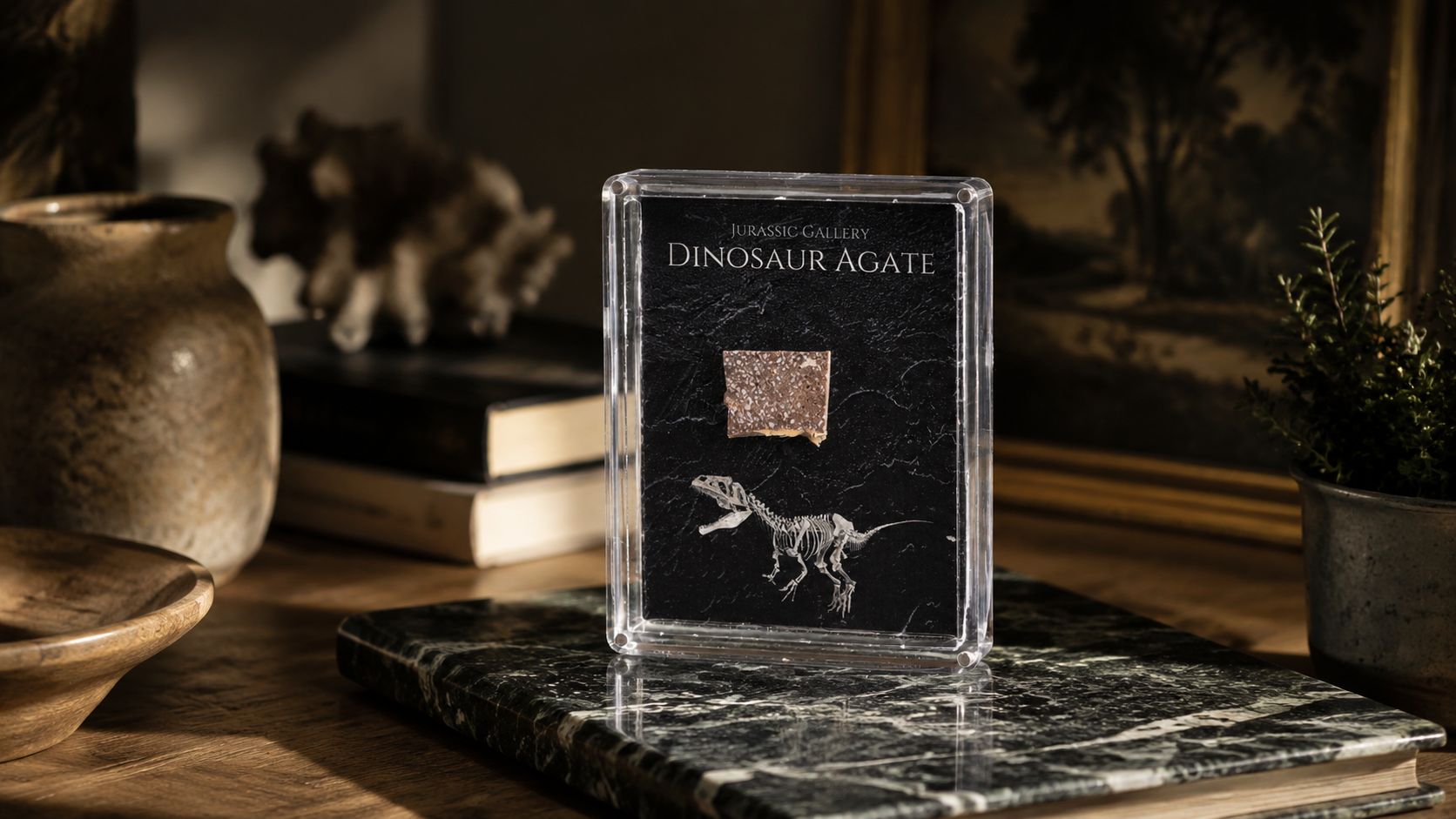
One useful example is the Dinosaur Agate Fossil Box. These agatized dinosaur bones were found in Utah, USA and hail from the Cretaceous period. That kind of factual grounding gives the object substance beyond appearance.
Buy from sellers who can speak about a specimen with both scientific precision and design judgment. You need both.
Astro West works directly with miners, paleontologists, worldwide suppliers, and field experts. That matters because access changes quality, and traceability changes trust. In this category, authenticity isn't a marketing phrase. It's the basis of value.
The Art of Presentation and Experiential Gifting
Even an exceptional object can arrive flat if the presentation is careless. Luxury home decor gifts need staging, not just packaging.
Presentation that respects the object
The first decision is whether the piece should feel ceremonial or immediately livable. A mineral specimen often benefits from a stand, proper orientation, and focused light. A carved bowl or fossil box benefits from placement inside a real domestic scene. The recipient should understand where it belongs the moment it's unwrapped.
Three presentation choices usually improve the result:
Use scale correctly: Don't bury a smaller rare object in oversized packaging.
Add context: Include a concise note on origin, age, or formation.
Plan placement: Suggest a console, shelf, desk, or table before the gift arrives.
A natural object should never feel random. If it's meant for a library, study, or entry hall, present it with that setting in mind.
Turning a gift into an experience
The strongest gifts continue after the exchange. That's where experience matters.
Some recipients want the pleasure of choosing their own specimen in person. Others enjoy a private consultation on how to place an object within the home. Families and younger collectors often respond especially well to tactile discovery, including geode cracking and close handling of natural material. That educational side gives the gift a second life. It becomes memory, not just possession.
A moving image often helps clients understand how these objects behave in space:
A well-presented specimen doesn't just say “I bought you something rare.” It says “I understood what would matter to you.”
That distinction is why handcrafted natural objects often outperform standard luxury gifts. They carry visual impact, but they also invite touch, curiosity, and conversation. In a home filled with competent furnishings, that's often the missing quality.
Shop Luxury Home Decor Gifts at Astro West
The premium end of this market is real. Astro West was established in 1961 and is located across from the American Museum of Natural History. It curates museum-quality natural history pieces, including works priced at $10,000+, as noted in its natural history gift ideas overview. That matters because luxury home decor gifts need more than polish. They need curation, documentation, and a clear standard of authenticity.
For clients building complete interiors, it's often useful to think across categories. Fine natural objects pair well with custom furnishings, and a broader design search can help if you also want to explore high-end Atlanta furniture options for a larger residential project. The point isn't to fill space. It's to select pieces with enough authority to hold it.
If you're unsure where to begin, a flexible option such as an Astro West gift card can make sense for recipients who prefer to choose their own mineral, fossil, meteorite, or natural decor object. Every piece comes with expert authentication and documented provenance, and it's available for immediate acquisition online or in person.
Visit the Manhattan gallery, browse the collection on astrowest.com, or contact the gallery directly for guidance. The right gift doesn't just decorate a room. It adds rarity, scientific respect, and lasting presence.
For a meaningful luxury gift with real substance, browse Astro West, visit the Manhattan gallery, or contact the team directly. Every piece comes with expert authentication, documented provenance, and immediate availability for acquisition online or in person.