- Minerals
- Shop all MineralsAt Astro West, we offer a carefully curated range of fine minerals. Each crystal is hand-selected for its natural form, color, and authenticity. Our collection invites you to experience the world’s most stunning geological creations in one place. From the deep hues of amethyst to the radiant shine of fluorite and the golden sparkle of pyrite, each mineral reveals nature’s creative power. Collectors and designers alike appreciate these specimens for both their scientific and decorative value. We work directly with expert miners and trusted sources. This ensures every piece arrives with genuine quality and beauty. Whether you want to expand your personal collection or enhance your living space, our minerals make a timeless statement. Complete your natural showcase by exploring related collections such as fossils, meteorites, and home decor. Each category reflects the same passion for craftsmanship, authenticity, and aesthetic excellence. Bring home a piece of Earth’s history. Discover, collect, and enjoy the beauty that only nature can create.
- Minerals for the Novice Collector ($1-$1,000)Start your collecting journey with our Minerals for the Novice Collector. Each piece is chosen for its beauty, color, and unique shape. These minerals are perfect for beginners who want to explore the world of natural treasures. Build your first collection with stunning specimens that inspire curiosity and wonder.
- Fine Minerals($1,000-$10,000)Explore the beauty of our Fine Minerals collection. Each piece stands out for its vivid color, sharp crystal shapes, and natural elegance. These minerals are handpicked to highlight the Earth’s most stunning creations. Ideal for passionate collectors, every specimen adds character and timeless charm to any collection.
- Museum Quality Minerals($10,000+)Experience the brilliance of Museum Quality Minerals. We handpick every specimen for its beauty, perfect shape, and rare details. These pieces stand as true masterpieces of nature, admired by expert collectors around the world. Bring home a world-class treasure and feel the power of Earth’s finest creations.
- Minerals By Name
- Agate
- AmethystDiscover the beauty of our museum-quality amethyst crystals. We handpick every specimen for its vivid color, clarity, and natural shape. From large geodes and tall cathedrals to elegant decor pieces, each crystal shows why amethyst stands out among fine minerals. Our collection also includes premium amethyst jewelry designed to showcase its deep violet tones. Every piece shines with unique character, making it perfect for display, gifting, or any mineral collection.
- Apophyllite
- Aquamarine
- Aragonite
- Azurite
- CalciteCalcite comes from calcium carbonate and shines with vibrant colors and unique crystal shapes. This mineral may be common, but its beauty is remarkable. Different elements and inclusions give each piece its own color — from white and yellow to purple, green, and more. Our collection shows calcite with hematite, amethyst, dioptase, fluorite, and other minerals. Explore our calcite geodes and crystals. Contact us with any questions.
- Citrine
- Dioptase
- Emerald
- Fluorite
- Hematite
- Imperial Topaz
- Jade
- Kunzite
- Labradorite
- Lapis Lazuli
- Larimar
- MalachiteOne of the minerals known as the “stone of transformation,” malachite is a light green mineral composed mostly of copper carbonate which gives it its green color. Malachite crystals are believed by some to possess certain metaphysical properties that can encourage the opening of the heart, absorb negative energies, and help with emotional healing, but even so, they also make excellent decorative accents because of their beautiful green luster. Explore our collection of malachite here, which includes native specimens, as well as malachite spheres and hand-carved malachite carvings.
- Mango QuartzMango quartz is a special type of quartz so named for its rich yellow color that bears a striking resemblance to the flesh of a mango. It typically contains inclusions of halloysite, is also called golden quartz or corona quartz, and is a relatively rare type of quartz that was somewhat recently discovered in Colombia. While it possesses stunning natural beauty, this type of quartz is also believed by some to possess powerful metaphysical properties, such as the ability to channel creativity while dispelling negative energies. Explore our collection of mango quartz here and get in touch with us if you have any questions.
- Muscovite
- Pyrite
- Quartz
- Rose Quartz
- Ruby
- Sandstone
- Sapphire
- Smoky Quartz
- Stibnite
- Tanzanite
- Topaz
- Tourmaline
- Turquoise
- Fossils
- Shop All FossilsAt Astro West, our fossils collection connects you with Earth’s earliest life forms. Each specimen has been ethically sourced and carefully preserved to highlight its natural beauty and historical importance. You can find everything from delicate ammonites and polished orthoceras to impressive dinosaur fossils and fossilized wood. These remarkable pieces bring the distant past into the present, offering collectors and enthusiasts a window into the story of life on Earth. Every fossil in our gallery undergoes expert selection to ensure authenticity and scientific value. We collaborate with trusted paleontologists and collectors who share our passion for discovery. This dedication guarantees that every specimen you choose holds both educational and aesthetic appeal. Our fossils are ideal for museum displays, home décor, or as meaningful gifts for natural history lovers. To complement your collection, explore our related categories such as minerals, meteorites, and home decor. Preserve a fragment of ancient history. Discover and collect fossils that tell the timeless story of our planet’s evolution.
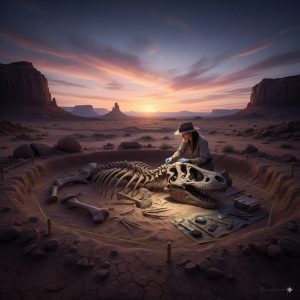
- DinosaursDiscover our rare collection of authentic dinosaur fossils here at Astro West, where prehistoric history comes to life. Shop genuine dinosaur teeth, vertebrae, ribs, and dinosaur horns, carefully sourced and verified for authenticity, perfect for collectors, educators, and fossil enthusiasts alike. Whether you’re searching for a striking dinosaur tooth fossil to display or other kinds of popular dinosaur bones, our curated selection offers museum-quality specimens that connect you to Earth’s ancient past. Explore our dinosaur fossil collection today and own a real piece of natural history.
- Marine
- Meteorites
- Shop All MeteoritesOur meteorites collection brings the cosmos within reach. Each specimen represents an ancient traveler—rock or metal that journeyed through space before reaching Earth. These extraordinary objects inspire awe and curiosity, bridging science, art, and history. We carefully source every meteorite from trusted experts and verified origins. This ensures that each piece you choose is genuine and scientifically classified. Whether you prefer a gleaming iron meteorite, a colorful pallasite, or a detailed stony chondrite, our gallery offers options for every level of collector. These pieces are ideal for display, study, or gifting. They make striking additions to private collections and contemporary interiors alike. Each meteorite tells a story of creation—formed billions of years ago, far beyond our planet. Complement your collection by exploring related categories like minerals, fossils, and home decor. Together, they capture the full spectrum of natural beauty, from deep within the Earth to the vastness of outer space. Bring home a real piece of the universe. Discover, collect, and celebrate the wonder of meteorites.
- Iron Nickle
- Moldavite
- Pallasite
- Stony
- Home DécorLooking for crystals for decor? You’ve come to the right place! Astro West is a leading supplier of high-quality crystals specifically meant for home decor. Discover beautiful crystals to enhance and elevate the energy in every room of your home, including amber, amethyst, fluorite, labradorite, rose quartz, and more. From small and delicate pieces that can fit in the palm of your hand to towering cathedral geodes that are sure to stun, there’s something for every taste here. Adding crystals is an easy way to blend aesthetics with wellness making your space feel more harmonious. Explore the entire collection on this page now.
- All Home DécorLooking for unique home decor? You’ve come to the right place. Astro West is a leading supplier of high-quality crystals specifically meant for any living space. Discover natural home decor that blends luxury, texture, and organic beauty. Our curated collection features amethyst cathedrals, crystal geodes, gemstone sculptures, fossil displays, and mineral accents designed to elevate modern, bohemian, minimalist interiors or any home or office. Each piece is ethically sourced and expertly curated to add color, energy, and statement style to any room. Shop unique crystals and natural history decor that transform shelves, consoles, and living spaces with timeless, collectible appeal.
- Gem TreesOne of a kind Gem Trees at Astro West bring together authentic crystals, artisanal wirework, and natural mineral bases. This create sculptural décor pieces that elevate any space. Each tree is individually handcrafted using genuine gemstones such as amethyst, citrine, rose quartz, and quartz clusters. Every piece is a one‑of‑a‑kind expression of color, texture, and natural beauty. These crystal bonsai trees are beloved by collectors, interior stylists, and energy‑workers alike. Not only for their ability to blend art, but in addition to metaphysical symbolism into a single display piece. Our exceptional selection includes everything from small, giftable gemstone trees to large statement sculptures rooted in premium crystal clusters. Whether you want décor that radiates tranquility, a meaningful spiritual gift, or a standout natural‑history accent, our Gem Trees collection offers pieces that inspire connection.
- Jewelry
- Gold Jewelry
- Silver Jewelry
- Meteorite JewelryDiscover the unique beauty of our meteorite jewelry. Each piece is made from real space rock that traveled across the galaxy. Our collection features stunning rings, pendants, and other one-of-a-kind designs. Every jewel offers a rare glimpse into the mysteries of the universe. Whether you love sleek finishes or raw textures, our authentic meteorite jewelry brings timeless style with a cosmic touch. Shop now and own a real piece of the stars.
- Gifts
- Shop All Gifts
- Gem TreesOne of a kind Gem Trees at Astro West bring together authentic crystals, artisanal wirework, and natural mineral bases. This create sculptural décor pieces that elevate any space. Each tree is individually handcrafted using genuine gemstones such as amethyst, citrine, rose quartz, and quartz clusters. Every piece is a one‑of‑a‑kind expression of color, texture, and natural beauty. These crystal bonsai trees are beloved by collectors, interior stylists, and energy‑workers alike. Not only for their ability to blend art, but in addition to metaphysical symbolism into a single display piece. Our exceptional selection includes everything from small, giftable gemstone trees to large statement sculptures rooted in premium crystal clusters. Whether you want décor that radiates tranquility, a meaningful spiritual gift, or a standout natural‑history accent, our Gem Trees collection offers pieces that inspire connection.
- Collector Box SetsOur Collector Boxes showcases rare fossils, meteorites, and natural history artifacts. Each box frames each piece with clarity and intention. As a result each box has a gallery‑ready look that feels both professional and giftable. Whether you’re curating a museum-grade display or gifting a one-of-a-kind piece, these Collector Boxes make a unique and educational gift for science enthusiasts, geology lovers, and space collectors.
- Gifts for Her
- Gifts for Him
- Cut Stones
- Hall Of Fame